Saturday, July 7, 2007
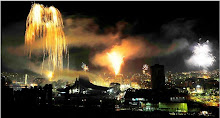
Earth Weekend ... 07/07/07 or 7.7.'7
This weekend featured a series of concerts to highlight global warming: Live Earth–10 concerts on seven continents to fight global warming. Hmmmm, can we have this everyday? I don't think people remember these things after the weekend ends.


Tuesday, July 3, 2007
Land of the Brave and Free ... Happy Birthday!!!
 "It's not the flag, stupid!!!"
"Many say America is losing or searching for its soul these days. I absolutely disagree. What is currently happening to America has nothing to do with soul. It's about a nation that has been blessed too much and does not know what to do with its many 'toys'; and has instead chosen to be a spoilt brat, which does not utilize its brain and pretends like it does not have one whenever it's convenient for its fits of tantrum."
---- Luna (2007)
I hope I can be pardoned if I concentrate on my home country today on this Kosovan page. Since US is a land of lawyers, what better way to commemorate its birthday than a tale of how the law and society interwine to define American Society. Enjoy or sleep through the following:
Can a Law Change a Society?
SINCE 1954, liberal and conservative justices have disagreed about the central meaning of Brown v. Board of Education. Was the purpose of Brown to achieve a colorblind society or an integrated one? Last week, in its 5-to-4 decision declaring that public schools in Louisville and Seattle can’t take explicit account of race to achieve integration, the Supreme Court came down firmly on the side of colorblindness. Despite some important qualifications by Justice Anthony Kennedy, at least four conservative justices made clear that they believe that nearly all racial classifications are unconstitutional. The lawyers who won the Supreme Court case predicted that it would have as dramatic an effect on American society as the original Brown case did. “These are the most important decisions on the use of race since Brown v. Board of Education,” Sharon Browne, the principal lawyer for the conservative Pacific Legal Foundation, declared in a press release. “With these decisions, an estimated 1,000 school districts around the country that are sending the wrong message about race to kids will have to stop.”
But some legal scholars on both sides of the political spectrum, and of the affirmative action debate, question this assessment. They doubt that this case will transform society as dramatically as Brown did. And some of them question whether even Brown was as singularly influential in transforming society as many have claimed during the last half-century. The conventional wisdom about Brown holds that it was more responsible than anything else for the integration of schools. “Brown really did transform society by stopping de jure segregation, and without Brown, schools would look very different,” says David J. Armor, a conservative scholar at George Mason University.
But some liberal scholars have challenged that heroic assessment. In “From Jim Crow to Civil Rights,” Michael J. Klarman argues that it was a political commitment to integration in the 1960s, not the Brown decision in the 1950s, that led to meaningful integration. “Brown didn’t transform society very much, and to the extent that it did it was indirect,” says Mr. Klarman, who is a law professor at the University of Virginia. “Brown brought out the worst in White Supremacy, and Northerners were appalled by the police dogs they saw on television, and that advanced the civil rights movement.” He argues that meaningful desegregation didn’t occur until the Johnson administration’s Justice Department became committed to enforcing the Civil Rights Act of 1964, and the Department of Health, Education and Welfare threatened to cut off financing to school districts that refused to integrate. Professor Klarman said he believed that just as the court couldn’t bring about integration on its own in 1954, so it won’t be able to mandate colorblindness on its own today. “Just as Brown produced massive resistance in the South and therefore had little impact on desegregation for a decade, this decision is going to be similarly inconsequential,” he says. “This affects only the tiny percentage of school districts that use race to assign students, and even in those districts, like Louisville and Seattle, it won’t be consequential because there are so many opportunities for committed school boards to circumvent it.” In his concurring opinion, Justice Kennedy invited school districts to explore “narrowly tailored” ways of pursuing their compelling interest in “avoiding racial isolation.” Some critics of government-sponsored affirmative action believe that this may allow school districts to pursue racial diversity by indirect means. “School districts are going to continue to do indirectly what they tried to do directly,” says Peter H. Schuck of Yale Law School. “They will feel the same pressures to reduce racial isolation, and they will look for proxies for race.”
Some scholars who support affirmative action also agree that public schools will use proxies for race — like neighborhoods, socioeconomic status, or single-parent households to achieve their goals. “I think what you’ll see is schools avoiding talking in racial terms, and talking in more vague terms about a diversity of backgrounds,” says David A. Strauss of the University of Chicago. “There will be another layer of bureaucracy, but I wouldn’t expect a large-scale retreat from what public schools have tried.” After Texas and California banned affirmative action in the 1990s, officials in both states guaranteed admission at the top public universities to a certain percentage of the class at every public high school, regardless of the school’s quality. Because of segregated housing patterns, this somewhat reduced the fall in the numbers of enrolled African-American and Hispanic students. “If you judge by what happened in California, you’ll see some drop in minority enrollment but not as huge a change as some people expected,” says John Yoo, a former Bush Justice Department official who teaches law at the University of California at Berkeley. “School administrators and bureaucrats are so heavily invested in the idea of diversity that they will try an amazing array of policies to get around the ban of the use of race.” Although it will be harder for public schools to resort to similar race-neutral alternatives, many legal scholars believe they will try. “It’s tougher in a public school setting, where generally applicants aren’t competing against each other on an individual basis, but that’s clearly what Justice Kennedy is inviting,” says Samuel Issacharoff, a law professor at New York University who supports affirmative action. To enforce its vision of colorblindness, Professor Klarman suggests, the Supreme Court would need to be backed by the president and Congress. But so far, that political commitment to colorblindness has not materialized. “It’s not enough for the court to announce this; to really make it stick, the president would have to cut off funding for school districts that circumvent the decision, just like the 1960s,” Professor Klarman says. “If you start threatening to throw school board members in jail, that might have an effect, but the strongest evidence that there’s not that kind of political support for colorblindness is that the military and Fortune 500 companies have said we need affirmative action to survive.”
More broadly, the effects of last week’s decision may be limited by the fact that American society is divided on just how colorblind or integrated society should be. When Brown was decided, 54 percent of the country supported the result. Today, the public appears similarly divided about the appropriate balance between colorblindness and diversity, and there are backlashes in both directions. After a Texas court banned affirmative action in 1996, the Texas Legislature tried to preserve racial diversity in the state’s public universities with race-neutral alternatives, but after the Supreme Court upheld affirmative action at the University of Michigan law school in 2003, the voters of Michigan passed an initiative banning it. “I think that there will be a King Canute quality to the decision,” Professor Strauss said, referring to the Anglo-Saxon king who ordered the sea’s waves to stop. In the end, the Supreme Court throughout its history has rarely precipitated social transformation on its own; instead it has been most effective when it acts in conjunction with the president, Congress and ultimately a majority of the country. “Brown pushed the country in a direction it was already going, and in the same sense, the large forces today are going to continue to operate regardless of what the Supreme Court just decided,” Professor Klarman said. “We’re headed toward an ambiguous place where we’re committed both to colorblindness and to diversity in public life. We might have a black president, but we’ll still have a society with very segregated neighborhoods and public schools. I don’t think the court decision will make much difference either way.”
The Stupidity of Man ...
"Suffering, poverty and torture do not breed humility and kindness ... au contraire ... they breed greed, selfishness and torturers of brethren" ---- Luna (2007)
We never seem to learn from our mistakes or sufferings ... I see these traits below ne Prishtine almost every week in the corridors of power. I guess suffering at the hands of a common foreign element makes all those suffering equal; but once that foreign element is gone, an internal element takes its place and, all of a sudden, all men and women are no longer equal amongst the "sufferees".
Kosova, my Kosova, when will our souls and spirits rise and seek true unselfish and uncorrupted Justice???
Detainees tortured in Kurdish area of Iraq, Human Rights Watch report says
YAHYA BARZANJI
Associated Press
July 3, 2007 at 7:58 AM EDT
IRBIL, Iraq — Kurdish security forces in northern Iraq — close allies of the United States — routinely torture detainees with methods including electric shock and hold them in overcrowded facilities without formal charges, a human rights group said Tuesday.
The Human Rights Watch report — based on interviews conducted from April to October 2006 with more than 150 detainees — demanded a comprehensive overhaul of detention practices in the Kurdish region and urged an independent body to investigative claims of torture.
“We are surprised that the Kurds are practising such violations after they were victims of torture during the Saddam (Hussein) era,” said Sarah Leah Whitson, Middle East director for Human Rights Watch. “We appreciate the efforts by Kurdistan government to combat terrorism and secure Kurdistan, but we see that such violations against prisoners are not a good thing,” she told a news conference in the northern Kurdish city of Irbil.
The Kurds effectively broke with Saddam's government after the 1991 Gulf War and developed a largely autonomous mini-state under the protection of U.S. warplanes.
The post-Saddam constitution consecrated the north's autonomous status, with its own security forces. It is run by the region's main political parties, the Kurdish Democratic party and the Patriotic Union of Kurdistan. PUK leader Jalal Talabani is Iraq's president.
Kurdistan has largely been spared the violence that has ravaged the rest of Iraq — though Sunni insurgents have carried out several deadly attacks in the region. One of them, a suicide truck bomb attack on a Kurdish political party in May, killed more than 50 people and was blamed on al-Qaeda. Kurdish security forces also operate in areas with large Kurdish populations outside the autonomous zone, such as the cities of Mosul and Kirkuk, which have seen frequent Arab-Kurdish violence as the two communities vie for power. Kurds want to incorporate oil-rich Kirkuk into their self-governing region, a step strongly opposed by other Iraqis. The New York-based Human Rights Watch report said abuses have been committed against suspects detained by Kurdish security personnel and others taken in U.S.-Iraq raids, including suspected insurgents. The report listed Kurdish violations of both international human rights law and Iraqi codes.
“Kurdistan security forces routinely subject detainees to torture and other mistreatment,” Whitson said. In interviews the New York-based group conducted at detention facilities — described as “severely overcrowded and unhygienic” — detainees said they were beaten with metal rods and cables and subjected to electric shocks. Some detainees were kept blindfolded and handcuffed for several days at a time, the report said. Jassir Abdul-Razaq, an official in Human Rights Watch's Mideast department, said most of the detainees are Kurds, “detained for terrorist, political or religious extremism causes.” Several Islamic militant insurgent groups that have carried out attacks, including Ansar al-Islam, have a large number of Kurdish members.
The report said the “vast majority” of the hundreds of detainees held by Kurdish security forces have not been charged with a crime, allowed access to a lawyer or provided with a means of appeal. It mentions several cases where defendants remained in detention after having been acquitted or having served their terms. Whitson said the Human Rights Watch team visited 10 prisons run by Kurdish security forces in the cities of Sulaimaniyah, Irbil and Dahuk, but “there are hidden prisons that we could not visit and prisoners whom we were not able to see.” Kurdish officials denied torture was taking place when Human Rights Watch presented them its findings, but they promised to form an independent investigative committee to review the allegations, Whitson said. “We hope that the Kurdish officials will live up to their promises,” she said.
We never seem to learn from our mistakes or sufferings ... I see these traits below ne Prishtine almost every week in the corridors of power. I guess suffering at the hands of a common foreign element makes all those suffering equal; but once that foreign element is gone, an internal element takes its place and, all of a sudden, all men and women are no longer equal amongst the "sufferees".
Kosova, my Kosova, when will our souls and spirits rise and seek true unselfish and uncorrupted Justice???
Detainees tortured in Kurdish area of Iraq, Human Rights Watch report says
YAHYA BARZANJI
Associated Press
July 3, 2007 at 7:58 AM EDT
IRBIL, Iraq — Kurdish security forces in northern Iraq — close allies of the United States — routinely torture detainees with methods including electric shock and hold them in overcrowded facilities without formal charges, a human rights group said Tuesday.
The Human Rights Watch report — based on interviews conducted from April to October 2006 with more than 150 detainees — demanded a comprehensive overhaul of detention practices in the Kurdish region and urged an independent body to investigative claims of torture.
“We are surprised that the Kurds are practising such violations after they were victims of torture during the Saddam (Hussein) era,” said Sarah Leah Whitson, Middle East director for Human Rights Watch. “We appreciate the efforts by Kurdistan government to combat terrorism and secure Kurdistan, but we see that such violations against prisoners are not a good thing,” she told a news conference in the northern Kurdish city of Irbil.
The Kurds effectively broke with Saddam's government after the 1991 Gulf War and developed a largely autonomous mini-state under the protection of U.S. warplanes.
The post-Saddam constitution consecrated the north's autonomous status, with its own security forces. It is run by the region's main political parties, the Kurdish Democratic party and the Patriotic Union of Kurdistan. PUK leader Jalal Talabani is Iraq's president.
Kurdistan has largely been spared the violence that has ravaged the rest of Iraq — though Sunni insurgents have carried out several deadly attacks in the region. One of them, a suicide truck bomb attack on a Kurdish political party in May, killed more than 50 people and was blamed on al-Qaeda. Kurdish security forces also operate in areas with large Kurdish populations outside the autonomous zone, such as the cities of Mosul and Kirkuk, which have seen frequent Arab-Kurdish violence as the two communities vie for power. Kurds want to incorporate oil-rich Kirkuk into their self-governing region, a step strongly opposed by other Iraqis. The New York-based Human Rights Watch report said abuses have been committed against suspects detained by Kurdish security personnel and others taken in U.S.-Iraq raids, including suspected insurgents. The report listed Kurdish violations of both international human rights law and Iraqi codes.
“Kurdistan security forces routinely subject detainees to torture and other mistreatment,” Whitson said. In interviews the New York-based group conducted at detention facilities — described as “severely overcrowded and unhygienic” — detainees said they were beaten with metal rods and cables and subjected to electric shocks. Some detainees were kept blindfolded and handcuffed for several days at a time, the report said. Jassir Abdul-Razaq, an official in Human Rights Watch's Mideast department, said most of the detainees are Kurds, “detained for terrorist, political or religious extremism causes.” Several Islamic militant insurgent groups that have carried out attacks, including Ansar al-Islam, have a large number of Kurdish members.
The report said the “vast majority” of the hundreds of detainees held by Kurdish security forces have not been charged with a crime, allowed access to a lawyer or provided with a means of appeal. It mentions several cases where defendants remained in detention after having been acquitted or having served their terms. Whitson said the Human Rights Watch team visited 10 prisons run by Kurdish security forces in the cities of Sulaimaniyah, Irbil and Dahuk, but “there are hidden prisons that we could not visit and prisoners whom we were not able to see.” Kurdish officials denied torture was taking place when Human Rights Watch presented them its findings, but they promised to form an independent investigative committee to review the allegations, Whitson said. “We hope that the Kurdish officials will live up to their promises,” she said.
Thursday, June 28, 2007
Reports from UNMIKistan ...
So the latest non-sex-related gossip in town these days is the "scandal" by a Swedish writer, who "dared" to write a series of articles portraying UNMIK in bad light. Her name is Maciej Zaremba and she ain't repentant folks :) [wait a minute ... why did I automatically assume the writer is female? Talk about bias....]. Maciej is a guy. Interesting set of articles for discource on Kosovo but I can see some holes in some of his claims. Regardless, I applaud the writer for daring to write this and making people think a bit. Who knows? The intended "target" audience might be reading and listening.
The articles can be found HERE in English. Read and enjoy them.
TOC:
• Part 1. Report from Unmikistan, Land of the Future
• Part 2. The UN state and the seven robbers
• Part 3. Complain in Azerbaijan
• Part 4. Prowess, courage and plastic socks
• A foundation for justice in Kosovo
• A bizarre form of government
• Kosovo - a pocket guide
And for those too lazy to go to the site, here is the exerpt of the "Kosovo- a pocket guide":
Kosovan means an inhabitant of Kosovo. A Kosovan can be Albanian (90% of the population), Serb, Roma, Bosnian or even Turk. At least half a million Kosovo Albanians live outside Kosovo.
Albanians are not Slavs and their language is as strange to a Serb as Finnish is to a Swede. Culturally they are Muslims (as a result of the Ottoman occupation, which lasted between the 14th century and 1878), but they are not particularly practicing nor are they orthodox. As an example the end of Ramadan can be celebrated by drinking raki (grape brandy) and dancing.
Serbias claim on Kosovo is based on the fact that the centre of Medieval Serbia was located in the province. It is also based on the late myth (from the 1880s) concerning the importance of the battle of Kosovo Polje (Field of the blackbirds, 1389), when Serbs and others were defeated by the Ottomans.
The present conflict dates back to at least 1912 when the Serbs reoccupation of Kosovo turned into a massacre on Albanians. Six years later they were expected to become loyal citizens of the newly created Kingdom of Serbs, Croats and Slovenes". In post-Second World War Communist Yugoslavia, Kosovo Albanians were considered inferior people, comparable to how Gypsies were regarded in Sweden in the thirties. But the province enjoyed autonomy.
The hostilities started symbolically in April 1987 when a fairly unknown Communist functionary named Slobodan Milosevic in a speech at Kosovo Polje turned into a Serb nationalist. As the president of Yugoslavia he abolished the autonomy of Kosovo in 1989. The Albanians countered by proclaiming independence, with Milosevic in turn dismissing all ethnic Albanians in the provincial government. Thereafter Kosovo was governed from Belgrade as an occupied country.
The Balkan wars started by Serb attacks on Bosnia and Croatia in 1992 and Kosovo was abandoned by the media. Seven years of peaceful resistance (with a parallel clandestine government, school and health care) made little impression on the outside world. Milosevic was forced to give up Bosnia through the Dayton-agreement in 1995 but he was allowed to keep the control of Kosovo.
The Kosovo Albanian guerilla is called UCK (Kosovo Liberation Army). It started attacking Serb police and "disloyal" compatriots in 1996. Milosevic countered by sending in troops and paramilitaries. In 1998 they started torching villages, resulting in hundreds of thousands of people having to flee. Three years after Srebrenica another ethnic cleansing was in the making.
The UN Security Council issued resolutions urging Milosevic to stop the violence. When this did not help the Contact Group(France, Germany, Italy, Russia, Great Britain and USA) proposed a settlement between Serbia and Kosovo. In Rambouillet the parties were faced with an ultimatum: armistice and negotiations about Kosovos future status - or military intervention in Kosovo. Rugovas shadow government signed, Milosevics government refused. And so
On the 24th of March 1999 NATO was engaged in warfare for the first time in its history. It took three months of bombing to compel the Serbs to withdraw their troops from Kosovo. On the 9th of June, with Milosevic already indicted by the Hague tribunal, the UN security council agreed on resolution 1244 concerning UNMIK. United Nations Interim Administration Mission in Kosovo was to be the biggest mission in the history of the UN: the UN would be in charge of all governmental functions and keep them until a democratically elected provincial government could take over. The UNs functionaries began arriving in June 1999.
Revenge. When the Serb troops had withdrawn, after killing maybe 10,000 persons, the Albanians took their bloody vengeance. Whole Serb families were massacred. The passivity of the UN can be explained by the fact that in the autumn of 1999 in Kosovo there were 50,000 NATO troops, a few thousand UN functionaries, two thousand foreign journalists but not a single police officer. The international police started arriving much later and at a pace depending on the UN member states willingness to spare their constables.
UNMIK is headed by an SRSG, meaning Special Representative of the Secretary General, that is the envoy of the head of the UN. All the seven SRSGs (which in the text are called UN governors) were appointed by Kofi Annan. The UN and UNMIK draft laws ( regulations") and exert executive power. A governor has four deputies, each heading a "pillar". Number one is responsible for law and order, number two for civil administration, number three for democratization (led and financed by OSCE (Organization for Security and Co-operation in Europe), number four for economic reconstruction, financed by the EU.
In addition there are the NATO forces, Kosovo Forces (KFOR). All five entities are subordinated to the governor, who reports to the Secretary General of the UN, who in turn reports to the Security Council and to the General Assembly.
In this article and in the following ones the expression "UN-people" includes functionaries and soldiers within the four pillars and NATO since they are all operating under the UN mandate even if some are formally employed by the EU or by the Swedish Armed Forces. (See UN S/1999/672)
The seven SRSGs, or the Kings of Kosovo:
Sergio Vieira de Mello (June-July 1999), Bernard Kouchner, until January 2001, Hans Haekkerup, until December 2001, Michael Steiner until July 2003, Harri Holkeri until June 2004, Søren Jessen-Petersen until September 2006, Joachim Rücker - still on duty.
The articles can be found HERE in English. Read and enjoy them.
TOC:
• Part 1. Report from Unmikistan, Land of the Future
• Part 2. The UN state and the seven robbers
• Part 3. Complain in Azerbaijan
• Part 4. Prowess, courage and plastic socks
• A foundation for justice in Kosovo
• A bizarre form of government
• Kosovo - a pocket guide
And for those too lazy to go to the site, here is the exerpt of the "Kosovo- a pocket guide":
Kosovan means an inhabitant of Kosovo. A Kosovan can be Albanian (90% of the population), Serb, Roma, Bosnian or even Turk. At least half a million Kosovo Albanians live outside Kosovo.
Albanians are not Slavs and their language is as strange to a Serb as Finnish is to a Swede. Culturally they are Muslims (as a result of the Ottoman occupation, which lasted between the 14th century and 1878), but they are not particularly practicing nor are they orthodox. As an example the end of Ramadan can be celebrated by drinking raki (grape brandy) and dancing.
Serbias claim on Kosovo is based on the fact that the centre of Medieval Serbia was located in the province. It is also based on the late myth (from the 1880s) concerning the importance of the battle of Kosovo Polje (Field of the blackbirds, 1389), when Serbs and others were defeated by the Ottomans.
The present conflict dates back to at least 1912 when the Serbs reoccupation of Kosovo turned into a massacre on Albanians. Six years later they were expected to become loyal citizens of the newly created Kingdom of Serbs, Croats and Slovenes". In post-Second World War Communist Yugoslavia, Kosovo Albanians were considered inferior people, comparable to how Gypsies were regarded in Sweden in the thirties. But the province enjoyed autonomy.
The hostilities started symbolically in April 1987 when a fairly unknown Communist functionary named Slobodan Milosevic in a speech at Kosovo Polje turned into a Serb nationalist. As the president of Yugoslavia he abolished the autonomy of Kosovo in 1989. The Albanians countered by proclaiming independence, with Milosevic in turn dismissing all ethnic Albanians in the provincial government. Thereafter Kosovo was governed from Belgrade as an occupied country.
The Balkan wars started by Serb attacks on Bosnia and Croatia in 1992 and Kosovo was abandoned by the media. Seven years of peaceful resistance (with a parallel clandestine government, school and health care) made little impression on the outside world. Milosevic was forced to give up Bosnia through the Dayton-agreement in 1995 but he was allowed to keep the control of Kosovo.
The Kosovo Albanian guerilla is called UCK (Kosovo Liberation Army). It started attacking Serb police and "disloyal" compatriots in 1996. Milosevic countered by sending in troops and paramilitaries. In 1998 they started torching villages, resulting in hundreds of thousands of people having to flee. Three years after Srebrenica another ethnic cleansing was in the making.
The UN Security Council issued resolutions urging Milosevic to stop the violence. When this did not help the Contact Group(France, Germany, Italy, Russia, Great Britain and USA) proposed a settlement between Serbia and Kosovo. In Rambouillet the parties were faced with an ultimatum: armistice and negotiations about Kosovos future status - or military intervention in Kosovo. Rugovas shadow government signed, Milosevics government refused. And so
On the 24th of March 1999 NATO was engaged in warfare for the first time in its history. It took three months of bombing to compel the Serbs to withdraw their troops from Kosovo. On the 9th of June, with Milosevic already indicted by the Hague tribunal, the UN security council agreed on resolution 1244 concerning UNMIK. United Nations Interim Administration Mission in Kosovo was to be the biggest mission in the history of the UN: the UN would be in charge of all governmental functions and keep them until a democratically elected provincial government could take over. The UNs functionaries began arriving in June 1999.
Revenge. When the Serb troops had withdrawn, after killing maybe 10,000 persons, the Albanians took their bloody vengeance. Whole Serb families were massacred. The passivity of the UN can be explained by the fact that in the autumn of 1999 in Kosovo there were 50,000 NATO troops, a few thousand UN functionaries, two thousand foreign journalists but not a single police officer. The international police started arriving much later and at a pace depending on the UN member states willingness to spare their constables.
UNMIK is headed by an SRSG, meaning Special Representative of the Secretary General, that is the envoy of the head of the UN. All the seven SRSGs (which in the text are called UN governors) were appointed by Kofi Annan. The UN and UNMIK draft laws ( regulations") and exert executive power. A governor has four deputies, each heading a "pillar". Number one is responsible for law and order, number two for civil administration, number three for democratization (led and financed by OSCE (Organization for Security and Co-operation in Europe), number four for economic reconstruction, financed by the EU.
In addition there are the NATO forces, Kosovo Forces (KFOR). All five entities are subordinated to the governor, who reports to the Secretary General of the UN, who in turn reports to the Security Council and to the General Assembly.
In this article and in the following ones the expression "UN-people" includes functionaries and soldiers within the four pillars and NATO since they are all operating under the UN mandate even if some are formally employed by the EU or by the Swedish Armed Forces. (See UN S/1999/672)
The seven SRSGs, or the Kings of Kosovo:
Sergio Vieira de Mello (June-July 1999), Bernard Kouchner, until January 2001, Hans Haekkerup, until December 2001, Michael Steiner until July 2003, Harri Holkeri until June 2004, Søren Jessen-Petersen until September 2006, Joachim Rücker - still on duty.
Monday, June 25, 2007


Friday, June 22, 2007
A commentary for the weekend . . .
Koha Ditore carried an opinion piece today by columnist Enver Robelli. Mr. Robelli thinks Kosovo deserves another government. When referring to the current government of the region, he says, "Not these circus members, sellers of tenders, thieves, cheaters and abusers of public goods. Kosovo has thousands of professional and honest people, who would do the job of a minister at the good this people who have grown weak by the leaders of this crime".
OUCH!!!!
He goes on, “Imagine Kosovo with ministers who would win their posts thanks to their abilities and not thanks to bribe, organized crime, the partnership with drug leaders, threats and arms trafficking, and money laundering?”
Why stop at Kosovo? Imagine any country like he just described. You'd have to have a pretty damn good imagination to imagine such.
Robelli then goes on in the article to suggest "a whole list of names of people who in his opinion could take up posts in a different government, like Muhamedin Kullashi, professor of philosophy at Paris 8 University, Brikena Muharremi, barrister of law in London, Martin Berishaj, professor political sciences in Ljubljana University, Edita Tahiri, a female politician with long experience in lobbying for independence, Ymer Shkreli, one of Kosovo’s best authors, Lulzim Kabashi, one of the best architects in Croatia, Dom Lush Gjergji, founder of the Mother Teresa Association and known for his inter-religious and interethnic tolerance, Virtyt Koshi, telecommunications expert and manager of Vodafone, etc. "
Apparently, according to Robelli, all the non-corrupt Kosovans just do not live in Kosovo . . . touche!
OUCH!!!!
He goes on, “Imagine Kosovo with ministers who would win their posts thanks to their abilities and not thanks to bribe, organized crime, the partnership with drug leaders, threats and arms trafficking, and money laundering?”
Why stop at Kosovo? Imagine any country like he just described. You'd have to have a pretty damn good imagination to imagine such.
Robelli then goes on in the article to suggest "a whole list of names of people who in his opinion could take up posts in a different government, like Muhamedin Kullashi, professor of philosophy at Paris 8 University, Brikena Muharremi, barrister of law in London, Martin Berishaj, professor political sciences in Ljubljana University, Edita Tahiri, a female politician with long experience in lobbying for independence, Ymer Shkreli, one of Kosovo’s best authors, Lulzim Kabashi, one of the best architects in Croatia, Dom Lush Gjergji, founder of the Mother Teresa Association and known for his inter-religious and interethnic tolerance, Virtyt Koshi, telecommunications expert and manager of Vodafone, etc. "
Apparently, according to Robelli, all the non-corrupt Kosovans just do not live in Kosovo . . . touche!
Tuesday, June 19, 2007
Peja (Rugova Valley)
Sometimes, after staying in Prishtina for long, one could forget that Kosovo is a diverse land with beautiful diverse geographical landscapes. A good friend went to Peja yesterday and sent me some pictures he took there. Thanks B.


Sunday, June 17, 2007
While the kingmakers drag their feet, the most unlikely "bishop" is making its moves ...
This just came in this morning. Wow, 2 big shots in less than 3 weeks; must be a bad period to be an ex-genocidal general in Serbia. Kudos to the Serbian government for this progress (yes, some might argue that they could have done this a long time ago but, hey, better late than never, right?)
“It was a joint action of Serbian and Montenegrin police and of the Hague tribunal,” Mr. Ljajic said. “He is on his way to The Hague.”
A spokesman for the Hague tribunal confirmed that General Djordjevic had been detained and would be handed over soon to the tribunal. The arrest appears to confirm Serbia’s new willingness to engage with the West in the hope of joining the European Union and NATO. General Djordjevic was indicted in October 2003, accused of ordering a crackdown on ethnic Albanian separatist guerrillas in the Serbian province of Kosovo.
At least 10,000 civilians, overwhelmingly ethnic Albanians, died in the Kosovo conflict, which prompted NATO’s first war and ended with the United Nations taking control of the province eight years ago. The Hague’s chief prosecutor, Carla Del Ponte, is to report to the United Nations Security Council on Monday about Serbia’s cooperation with the court, her last report before stepping down in September. The arrest of Zdravko Tolimir, another fugitive, at the end of May helped prompt talks about closer ties between Serbia and the European Union, but the union has said it wants more fugitives behind bars before it signs a deal.
Thursday, June 14, 2007
Misadventures of the emperor
Brought to my attention by a reader: From Crooks and Liars
Was it stolen or not?

By: Steve Benen @ 5:10 AM - PDT
Bush at a press conference on Saturday:
Q: And on the deadline [for Kosovo independence]?
Bush: In terms of the deadline, there needs to be one. This needs to come — this needs to happen. Now it’s time, in our judgment, to move the Ahtisaari plan. There’s been a series of delays. You might remember there was a moment when something was happening, and they said, no, we need a little more time to try to work through a U.N. Security Council resolution. And our view is that time is up.
Bush at a press conference on Sunday:
Q: Thank you, Mr. President. Yesterday you called for a deadline for U.N. action on Kosovo. When would you like that deadline set? And are you at all concerned that taking that type of a stance is going to further inflame U.S. relations with Russia? And is there any chance that you’re going to sign on to the Russian missile defense proposal?
Bush: Thanks. A couple of points on that. First of all, I don’t think I called for a deadline. I thought I said, time — I did? What exactly did I say? I said, “deadline”? Okay, yes, then I meant what I said.
At which point assembled reporters started laughing at him.
-----------------------------------------------------------------------------------------------Was it stolen or not?
Bush's Stolen Watch Mystery Solved
FUSHE KRUJE, ALBANIA (Reuters) -- Albanian police say the reports of President Bush's watch being stolen while greeting the crowd in Tirana are untrue.
Video from the presidential visit shows that while he began to work the crowd with a timepiece on his left arm, within seconds it was gone. But video shot at another angle appears to show Mr. Bush removing the watch and either giving it to a security guard or placing it in his pocket.
"The story is untrue and the president did not lose his watch," a spokesman for the embassy in Tirana said.
White House Spokesman Tony Snow set the record straight: "It was placed in his pocket…the president put it in his pocket and it returned safely home."
Some newspapers, television stations and websites carried reports that Bush's watch vanished on Sunday when he was greeted by ecstatic crowds in Fushe Kruje, outside the capital Tirana.
"It is not true," said Albania's police director, Ahmet Prenci.
Photographs showed Bush, surrounded by five bodyguards, putting his hands behind his back so one of the bodyguards could remove his watch.
Monday, June 11, 2007
From the Archives
I was going through some old stories from the Economist when I came across the piece below. An interesting article even if very tiny. Talks about the forgotten groups in Kosovo in the struggle between the Albanian and Serb Kosovans. Groups so forgotten that even the Economist could only spare a few lines to mention them. Enjoy ....
Ethnic groups in Kosovo
The minorities within the minority
Kosovo is lived in by others besides dominant Albanians and minority Serbs
HAMDIJE SEAPI, a local Gorani official, excuses himself to go to the funeral of a woman from a neighbouring village. He did not really know her, but since her village was all but abandoned in 1999, somebody has to. In his village, Mlike, there were 1,380 people before the Kosovo war, but now there are barely 400, 70% of them over 65. “Before, we were somehow like shock absorbers between Serbs and Albanians, but now we have our backs to the walls.”
Ethnic groups in Kosovo
The minorities within the minority
Nov 2nd 2006 | BROD
From The Economist print edition
From The Economist print edition
Kosovo is lived in by others besides dominant Albanians and minority Serbs
 | |
The Gorani are among the smallest of Kosovo's minorities. Before the war, say officials, anywhere up to 18,000 of them lived in Gora, a rural sliver of land squeezed between Macedonia and Albania. Now a mere 8,000 remain. They are Muslims, living in villages in the remote south and speaking a language close to Serbian and Macedonian. At school they have always been taught in Serbian. Many of them were loyal Serbian citizens, serving in the police and as officials until the end of the war in 1999.
This has incurred much enmity from Kosovo's Albanians. Since 1999 Serbia has continued to pay Gorani teachers like Serbian ones, and they have continued to use the Serbian curriculum. Now the Kosovo authorities want to force them to change. If they did, Gorani children could not go to Serbian secondary schools. Serbia pays its teachers in Kosovo at least twice what the Kosovo authorities do. As a result of this dispute, several hundred Gorani children are now locked out of their schools.
In the village of Brod, locals still burn manure for fuel. Hakija Cuculj, a member of the local council, says that since the UN took over in Kosovo it has redrawn local boundaries so that Gorani are now outvoted on everything by Albanians. Immediately after the war many Gorani left for Serbia; now they go farther afield. Mr Cuculj's son works in Italy and sends home money. “People are just living in uncertainty,” he says. “They just want to survive.”
There are no reliable figures for anything in Kosovo. But a rule of thumb is that some 90% of the province's 2m people are Albanians. At least half of the remaining 200,000 are Serbs. The biggest minority after that are local Slav Muslims, many of whom, since 1999, have chosen to identify themselves as Bosniaks (ie, Bosnian Muslims). Then come Roma, some of whom are called Ashkali and some Egyptians; Turks; Gorani; and, finally, a tiny number of Croats. Since the early 1990s most Croats have left, many to settle in places in Croatia from which Serbs have fled. The Gorani are now the smallest of the small.
Thursday, June 7, 2007
... says the Economist
Serbia and Kosovo
Crimes and misdemeanours
Serbia tries to please the European Union—but Kosovo still waits
FOR months, diplomats said that this would be the week when Russia's Vladimir Putin and America's George Bush struck a deal: not about Kyoto, but about Kosovo. The hope was that Mr Putin would assent to Kosovo's independence in exchange for a concession elsewhere. Yet this is clearly not now going to happen.
Crimes and misdemeanours
Jun 7th 2007 | BELGRADE AND PRISTINA
From The Economist print edition
From The Economist print edition
Serbia tries to please the European Union—but Kosovo still waits
FOR months, diplomats said that this would be the week when Russia's Vladimir Putin and America's George Bush struck a deal: not about Kyoto, but about Kosovo. The hope was that Mr Putin would assent to Kosovo's independence in exchange for a concession elsewhere. Yet this is clearly not now going to happen.
Kosovo is still technically part of Serbia, though it has been run by the United Nations since 1999. Some 90% of its 2m people are ethnic Albanians who want independence. A plan drawn up for theUN by a former Finnish president, Martti Ahtisaari, proposes this with minor constraints, but also gives concessions to Kosovo's Serbian minority. The problem is that, without Serbian agreement, Russia will remain opposed to the Ahtisaari plan—and seems ready to veto it at the UN Security Council.
American diplomats have hinted that, if this happens, they might encourage the Kosovo Albanians to declare independence anyway, and then recognise their new state unilaterally. This may still be the plan, but it will meet resistance from the European Union. The Ahtisaari plan proposes to replace the UN structure in Kosovo with an EU one and an international governor, as in Bosnia. But without a UN resolution, such a change may not be legal.That is why some diplomats now reason that it would be better to postpone the whole issue until September. But since September is even closer to Russia's parliamentary election (in December) and presidential one (next March), there seems no good reason to expect the Russians to change their minds. At least the talk of postponement is not yet stirring trouble in Kosovo. Far from reaching for their guns, says Visar Reka, erstwhile spokesman of the guerrilla Kosovo Liberation Army, those who might be tempted to return to war are, for now, happy to wait.
This will obviously come as a relief not only to Western diplomats, but to the Serbs. If fighting broke out again in Kosovo, its Serbs would surely be among the first victims. Besides, Serbia's new government has its own EU ambitions to attend to. On these, it has played a shrewd game. In May 2006 the EU suspended talks with Serbia on a stabilisation and association agreement, widely seen as a first step towards membership, because of its failure to co-operate with the Yugoslav war-crimes tribunal in The Hague. But now talks with the EU are about to resume, boosted not just by the new government but also by its arrest on May 31st of Zdravko Tolimir, one of six Serb war-crimes suspects who were still at large. Mr Tolimir, who is charged with genocide, was living in a flat in Belgrade. After the decision to arrest him, police piled into his flat and bundled him out in a body-bag, according to some reports, and then spirited him to the Serb part of Bosnia, where he was officially arrested. This way Serbia's prime minister, Vojislav Kostunica, who dislikes the tribunal, appears not to have betrayed his principles.
EU officials insist that talks with Serbia cannot be completed without the arrest of General Ratko Mladic, Mr Tolimir's wartime superior. Whether that happens remains to be seen—Carla Del Ponte, chief prosecutor at the Hague tribunal, now speaks of its being done within weeks. If Mr Kostunica wanted to weaken EU resolve over Kosovo, he would do well to arrest the general. Those against Kosovo's independence might then argue that even a co-operative Serbia was being punished. The trouble is that if Kosovo loses any prospect of independence, war and instability could return. Politics in the Balkans, as elsewhere, is about hard choices.
Wednesday, May 30, 2007


Sunday, May 27, 2007
Et tu, UN?
HEADLINE: When the peacekeepers become the problem
BYLINE: RAMESH THAKUR
The real UN scandal over the past decade was not the oil-for-food program in Iraq, but the abuse of civilians by UN peacekeepers. Almost 200,000 personnel from more than 100 countries are rotated through UN operations every year. After the damaging allegations of protectors turned predators in the Democratic Republic of Congo, usually in exchange for food or change money,Jordan's UN ambassador Prince Zeid Hussein wrote a forthright report that led to a new and stringent code of conduct for preventing, identifying and responding to sexual misconduct by UN peacekeepers.
The problem persists: UN vehicles are not an uncommon sight in haunts frequented by teenage prostitutes. Sexual exploitation and abuse are not the only side effects of the large numbers of missions and personnel living and working in isolation, far away from home and family, in conditions of loneliness, and without the discipline of the behaviour-regulating norms and codes of conduct of their home countries. Most studies of UN operations focus on the stated mandates and implicit goals of the international community and troop-contributing countries, and the success or failure in implementing them. But peace operations also produce unintended negative consequences, caused by the flood of international money -such as increased corruption and inflation, more prostitution, sex-trafficking and underworld criminal activity. Often the presence of large numbers of people on international salaries creates a shadow economy that drains skills, experience and talent away from the national bureaucracy, as in Afghanistan.
Consider the case of HIV/AIDS. In some of the war-affected countries of deployment in sub-Saharan Africa, the HIV prevalence rate is 40-60 per cent.Soldiers tend to be mainly men of a sexually active age, with money in their pockets far in excess of prevailing local incomes, deployed away from home for six months and prone by temperament and training to risk-taking behaviour.Almost half the Dutch military personnel serving with the UN mission in Cambodia in the 1990s had sexual contact with prostitutes or other local women. Often soldiers come into contact with young boys and girls who are poor,unemployed and traumatized victims of sexual exploitation during prolonged and vicious armed conflict. Troops from countries with high HIV/AIDS prevalence rates make up one-third of UN peacekeepers. Some African military forces have infection rates five times that of the civilian population. Some countries, Ghana, for example, conduct compulsory testing before selecting soldiers for mission deployment. Some resist, for reasons of social and cultural sensitivity, others simply lack adequate testing facilities.
The number and seriousness of side effects of UN peace operations increased along with the growing numbers and complexity of the missions after the Cold War. In some cases, when children are raped by soldiers, for example, serious harm is done to individuals and communities that the peacekeepers are meant to protect, the ability of the mission to fulfill its mandate is weakened, the legitimacy of the UN as an organizer of peacekeeping is eroded, and support for the UN as a whole is diminished in both host and troop-contributing countries.
It is not easy to identify proper legal remedies. Many allegations are difficult to prove in a court of law. The offending soldiers are subject to the disciplinary authority of their own military, not the UN. Often, alleged perpetrators have returned home while victims and witnesses are from host countries with weak criminal justice systems. Yet, international peacekeepers must be held internationally accountable for criminal acts. Merely repeating promises of zero tolerance and setting up task forces and committees is not enough. In addition to education and training inhuman rights and international humanitarian law and standards, peacekeepers must be brought within the jurisdiction of the International Criminal Court and made subject to criminal prosecution. Countries that demur from the more stringent standards, codes of conduct and international investigations and prosecution should be excused from contributing personnel to UN operations.
***
Ramesh Thakur Distinguished fellow at the Centre for International Governance Innovation in Waterloo, Ont.
***
Ramesh Thakur, former vice-rector of the UN University in Tokyo, is co-editor of the recently published Unintended Consequences of Peacekeeping Operations.
BYLINE: RAMESH THAKUR
The real UN scandal over the past decade was not the oil-for-food program in Iraq, but the abuse of civilians by UN peacekeepers. Almost 200,000 personnel from more than 100 countries are rotated through UN operations every year. After the damaging allegations of protectors turned predators in the Democratic Republic of Congo, usually in exchange for food or change money,Jordan's UN ambassador Prince Zeid Hussein wrote a forthright report that led to a new and stringent code of conduct for preventing, identifying and responding to sexual misconduct by UN peacekeepers.
The problem persists: UN vehicles are not an uncommon sight in haunts frequented by teenage prostitutes. Sexual exploitation and abuse are not the only side effects of the large numbers of missions and personnel living and working in isolation, far away from home and family, in conditions of loneliness, and without the discipline of the behaviour-regulating norms and codes of conduct of their home countries. Most studies of UN operations focus on the stated mandates and implicit goals of the international community and troop-contributing countries, and the success or failure in implementing them. But peace operations also produce unintended negative consequences, caused by the flood of international money -such as increased corruption and inflation, more prostitution, sex-trafficking and underworld criminal activity. Often the presence of large numbers of people on international salaries creates a shadow economy that drains skills, experience and talent away from the national bureaucracy, as in Afghanistan.
Consider the case of HIV/AIDS. In some of the war-affected countries of deployment in sub-Saharan Africa, the HIV prevalence rate is 40-60 per cent.Soldiers tend to be mainly men of a sexually active age, with money in their pockets far in excess of prevailing local incomes, deployed away from home for six months and prone by temperament and training to risk-taking behaviour.Almost half the Dutch military personnel serving with the UN mission in Cambodia in the 1990s had sexual contact with prostitutes or other local women. Often soldiers come into contact with young boys and girls who are poor,unemployed and traumatized victims of sexual exploitation during prolonged and vicious armed conflict. Troops from countries with high HIV/AIDS prevalence rates make up one-third of UN peacekeepers. Some African military forces have infection rates five times that of the civilian population. Some countries, Ghana, for example, conduct compulsory testing before selecting soldiers for mission deployment. Some resist, for reasons of social and cultural sensitivity, others simply lack adequate testing facilities.
The number and seriousness of side effects of UN peace operations increased along with the growing numbers and complexity of the missions after the Cold War. In some cases, when children are raped by soldiers, for example, serious harm is done to individuals and communities that the peacekeepers are meant to protect, the ability of the mission to fulfill its mandate is weakened, the legitimacy of the UN as an organizer of peacekeeping is eroded, and support for the UN as a whole is diminished in both host and troop-contributing countries.
It is not easy to identify proper legal remedies. Many allegations are difficult to prove in a court of law. The offending soldiers are subject to the disciplinary authority of their own military, not the UN. Often, alleged perpetrators have returned home while victims and witnesses are from host countries with weak criminal justice systems. Yet, international peacekeepers must be held internationally accountable for criminal acts. Merely repeating promises of zero tolerance and setting up task forces and committees is not enough. In addition to education and training inhuman rights and international humanitarian law and standards, peacekeepers must be brought within the jurisdiction of the International Criminal Court and made subject to criminal prosecution. Countries that demur from the more stringent standards, codes of conduct and international investigations and prosecution should be excused from contributing personnel to UN operations.
***
Ramesh Thakur Distinguished fellow at the Centre for International Governance Innovation in Waterloo, Ont.
***
Ramesh Thakur, former vice-rector of the UN University in Tokyo, is co-editor of the recently published Unintended Consequences of Peacekeeping Operations.
Wednesday, May 23, 2007
.. and they will come: Qendra Kosovare per Strehim dhe Trajnimin e Qeneve Endacak (Kosovo Shelter for Stray Dogs)
I was recently contacted by the "Qendra Kosovare per Strehim dhe Trajnimin e Qeneve Endacak (Kosovo Shelter for Stray Dogs)". According to Petra, who contacted me, Qendra Kosovare per Strehim dhe Trajnimin e Qeneve Endacak is one of a kind of such facility in Kosovo. It is situated near the Prishtina airport. Here is the group's quote:
"The shelter has been built and funded solely by two Albanian Kosovars Florim Ferati and Nexhmedin Kabashi and has been in operation since May 2004. Both myself and Toni-Maree McInnes are NZ veterinarians based in the UK. We first visited Kosovo in April 2005 and have since been visiting biannually for approx 2 months per year taking unpaid leave from our jobs in the UK to volunteer at the shelter. We have independently set up a veterinary clinic at the shelter where our primary focus is the sterilisation of the streetdogs as well as providing medical care to owned dogs of both locals and internationals. We also spend a lot of our time raising funds and awareness within Kosovo and abroad. The shelter is a registered NGO but receives no formal funding relying solely upon donations to finance the daily running costs and continual upgrading of the facilities. Please see our website www.kosovodogshelter.org for further information. We will be in Kosovo for 3 weeks from Sunday May 27th . . . We will no doubt be running our well known pub quiz at the Phoenix Bar to raise funds during this time where we are well known!"
Sounds like they are doing great work and I encourage all animal lovers to support them. However, if I am (yes, I am), I'd like to raise an issue about the work of the doctors above. I am not up to date about the constitutional or statutory rights of dogs in various countries, but doesn't the sterilization of street dogs seem sort of ... how do I put this tactfully ... discriminatory and "classist". How come dogs with owners get medical care while street dogs only get sterilized? I am just raising a point which can be extrapolated to the state of human welfare where poor people seem to always be "paternalized" and sometimes made to feel that they do not deserve to pro-create due to their economic status. No, I did not make this up; there are groups and people from the West who go around paying people to sterilize themselves and stop having babies and some courts have upheld these arrangements as valid contracts. Yes, yes, Luna is running wild with ideas again but take a moment to wonder with the street dogs why they should get sterilized. I would appreciate Petra or someone else from the organization answering this for me. I am sure there is a good explanation for it; I just want to know it.
But people, not to take away focus from the work of this good organization, I should stop now. At least, they are doing something to help animals they care for ... that much cannot be said about most of us in Prishtina who just spend all our time drinking macchiatos!!!
In answer to my query above:
Hi Luna
We would like to clarify a few of the points from the previous email and hopefully clear up any confusion!
We are certainly not "classist" and when in Kosovo are more that happy (and do) sterilise owned dogs. The majority of our sterilisation is of street dogs for a number of reasons. Firstly the dogs in our shelter are street dogs and we sterilise them before homing, and secondly the concept of
sterilisation is not widely accepted/understood by the general public of Kosovo and hence we only have a small number of owned dogs presented for surgery. We regularly treat sick/injured street dogs as well as owned dogs when we (the vets) are in Kosovo. We must take care when treating owned dogs so as to always be mindful that we are not taking paid work away from the local veterinarians. With regard to sterilisation this is not too much of a problem as few perform this surgery. When we are not in Kosovo there are no veterinary services available at the shelter and sick/injured dogs and cats must be taken to a local veterinarian for treatment.
In answer to your query on sterilisation.....
Kosovo has tens of thousands of street dogs. Currently shooting campaigns are being run in an effort to reduce the dog population and individuals are being offered €7.50 for the tail of every dead dog. The practice of shooting dogs as a means of population control goes against World Heath Organisation guidelines. It is inhumane and in the long term is ineffective. Shootings are inhumane because dogs are often injured and suffer prolonged painful deaths. Those shot are usually the more tame members of the population and the more aggressive wary problem dogs are more likely to remain and for want of a better term are negative "role models" for new pack
members who can intimate the aggressive behaviours. Shooting is also ineffective in the long term. It is impossible to shoot all the street dogs. Removing large numbers of dogs allows greater resources (food/shelter) available to those remaining thus these dogs are then more successful in rearing litters of pups and shortly the problem again begins to escalate. Higher numbers lead to increased competition for food and can thus lead to increased disease incidence as body condition can suffer. This also allows different populations to enter new areas and introduce new illnesses/disease which can also impact on the human population (particularly relevant in areas where rabies is prevalent). Shootings largely fail to address the problem of the "owned" dogs who are likely to be confined during the culling periods. These owned dogs who receive human support and shelter are most successful in rearing litters of puppies. It is then their offspring abandoned to the street to fend for themselves who largely perpetuate the cycle. The only humane and effective means of population control (as advised in WHO guidelines) are neuter and release programmes targeting not only street dogs but those belonging to members of the public.
We understand from your blog that your concern was that we were victimising the street dog and not that you are against sterilisation, which not only humanely reduces the street dog population longterm but provides health benefits as well. On an individual level sterilisation is advantageous to reduce disease and help improve body condition. This is pertinent not only for behavioural issues eg less fighting/mating etc but also reduces disease incidence eg mammary cancers, womb infections etc. With these things in mind we are very keen to start a sterilisation programme focusing on "owned dogs". This will however take considerable funding, government legislation, public and veterinary education. As you can imagine this is far beyond the scope of just ourselves. We do hope this helps to clarify things.
Kind regards,
Toni and Petra
"The shelter has been built and funded solely by two Albanian Kosovars Florim Ferati and Nexhmedin Kabashi and has been in operation since May 2004. Both myself and Toni-Maree McInnes are NZ veterinarians based in the UK. We first visited Kosovo in April 2005 and have since been visiting biannually for approx 2 months per year taking unpaid leave from our jobs in the UK to volunteer at the shelter. We have independently set up a veterinary clinic at the shelter where our primary focus is the sterilisation of the streetdogs as well as providing medical care to owned dogs of both locals and internationals. We also spend a lot of our time raising funds and awareness within Kosovo and abroad. The shelter is a registered NGO but receives no formal funding relying solely upon donations to finance the daily running costs and continual upgrading of the facilities. Please see our website www.kosovodogshelter.org for further information. We will be in Kosovo for 3 weeks from Sunday May 27th . . . We will no doubt be running our well known pub quiz at the Phoenix Bar to raise funds during this time where we are well known!"
Sounds like they are doing great work and I encourage all animal lovers to support them. However, if I am (yes, I am), I'd like to raise an issue about the work of the doctors above. I am not up to date about the constitutional or statutory rights of dogs in various countries, but doesn't the sterilization of street dogs seem sort of ... how do I put this tactfully ... discriminatory and "classist". How come dogs with owners get medical care while street dogs only get sterilized? I am just raising a point which can be extrapolated to the state of human welfare where poor people seem to always be "paternalized" and sometimes made to feel that they do not deserve to pro-create due to their economic status. No, I did not make this up; there are groups and people from the West who go around paying people to sterilize themselves and stop having babies and some courts have upheld these arrangements as valid contracts. Yes, yes, Luna is running wild with ideas again but take a moment to wonder with the street dogs why they should get sterilized. I would appreciate Petra or someone else from the organization answering this for me. I am sure there is a good explanation for it; I just want to know it.
But people, not to take away focus from the work of this good organization, I should stop now. At least, they are doing something to help animals they care for ... that much cannot be said about most of us in Prishtina who just spend all our time drinking macchiatos!!!
In answer to my query above:
Hi Luna
We would like to clarify a few of the points from the previous email and hopefully clear up any confusion!
We are certainly not "classist" and when in Kosovo are more that happy (and do) sterilise owned dogs. The majority of our sterilisation is of street dogs for a number of reasons. Firstly the dogs in our shelter are street dogs and we sterilise them before homing, and secondly the concept of
sterilisation is not widely accepted/understood by the general public of Kosovo and hence we only have a small number of owned dogs presented for surgery. We regularly treat sick/injured street dogs as well as owned dogs when we (the vets) are in Kosovo. We must take care when treating owned dogs so as to always be mindful that we are not taking paid work away from the local veterinarians. With regard to sterilisation this is not too much of a problem as few perform this surgery. When we are not in Kosovo there are no veterinary services available at the shelter and sick/injured dogs and cats must be taken to a local veterinarian for treatment.
In answer to your query on sterilisation.....
Kosovo has tens of thousands of street dogs. Currently shooting campaigns are being run in an effort to reduce the dog population and individuals are being offered €7.50 for the tail of every dead dog. The practice of shooting dogs as a means of population control goes against World Heath Organisation guidelines. It is inhumane and in the long term is ineffective. Shootings are inhumane because dogs are often injured and suffer prolonged painful deaths. Those shot are usually the more tame members of the population and the more aggressive wary problem dogs are more likely to remain and for want of a better term are negative "role models" for new pack
members who can intimate the aggressive behaviours. Shooting is also ineffective in the long term. It is impossible to shoot all the street dogs. Removing large numbers of dogs allows greater resources (food/shelter) available to those remaining thus these dogs are then more successful in rearing litters of pups and shortly the problem again begins to escalate. Higher numbers lead to increased competition for food and can thus lead to increased disease incidence as body condition can suffer. This also allows different populations to enter new areas and introduce new illnesses/disease which can also impact on the human population (particularly relevant in areas where rabies is prevalent). Shootings largely fail to address the problem of the "owned" dogs who are likely to be confined during the culling periods. These owned dogs who receive human support and shelter are most successful in rearing litters of puppies. It is then their offspring abandoned to the street to fend for themselves who largely perpetuate the cycle. The only humane and effective means of population control (as advised in WHO guidelines) are neuter and release programmes targeting not only street dogs but those belonging to members of the public.
We understand from your blog that your concern was that we were victimising the street dog and not that you are against sterilisation, which not only humanely reduces the street dog population longterm but provides health benefits as well. On an individual level sterilisation is advantageous to reduce disease and help improve body condition. This is pertinent not only for behavioural issues eg less fighting/mating etc but also reduces disease incidence eg mammary cancers, womb infections etc. With these things in mind we are very keen to start a sterilisation programme focusing on "owned dogs". This will however take considerable funding, government legislation, public and veterinary education. As you can imagine this is far beyond the scope of just ourselves. We do hope this helps to clarify things.
Kind regards,
Toni and Petra
Friday, May 18, 2007
Graduation Season ....
I totally forgot that May is graduation month. I was reminded of this when I was walking home from my french class today and saw lots of young people at the Grand Hotel --- you got it--- Prom Night!!! That jolted my memory; after all, it was not that long ago that I graduated from professional school myself. So to all my peeps out there graduating transcontinentally, wishing you great after-graduation parties and hope we all become useful to our world one day. To commemorate your graduations, I am dedicating the best commencement speech ever written that never was but became a great music single in 1999 (under the name of "Wear Sunscreen"). Enjoy, live long and prosper.
June 1, 1997
Inside every adult lurks a graduation speaker dying to get out, some world-weary pundit eager to pontificate on life to young people who'd rather be Rollerblading. Most of us, alas, will never be invited to sow our words of wisdom among an audience of caps and gowns, but there's no reason we can't entertain ourselves by composing a Guide to Life for Graduates.
I encourage anyone over 26 to try this and thank you for indulging my attempt.
Ladies and gentlemen of the class of '97:
Wear sunscreen.
If I could offer you only one tip for the future, sunscreen would be it. The long-term benefits of sunscreen have been proved by scientists, whereas the rest of my advice has no basis more reliable than my own meandering experience. I will dispense this advice now.
Enjoy the power and beauty of your youth. Oh, never mind. You will not understand the power and beauty of your youth until they've faded. But trust me, in 20 years, you'll look back at photos of yourself and recall in a way you can't grasp now how much possibility lay before you and how fabulous you really looked. You are not as fat as you imagine.
Don't worry about the future. Or worry, but know that worrying is as effective as trying to solve an algebra equation by chewing bubble gum. The real troubles in your life are apt to be things that never crossed your worried mind, the kind that blindside you at 4 p.m. on some idle Tuesday.
Do one thing every day that scares you.
Sing.
Don't be reckless with other people's hearts. Don't put up with people who are reckless with yours.
Floss.
Don't waste your time on jealousy. Sometimes you're ahead, sometimes you're behind. The race is long and, in the end, it's only with yourself.
Remember compliments you receive. Forget the insults. If you succeed in doing this, tell me how.
Keep your old love letters. Throw away your old bank statements.
Stretch.
Don't feel guilty if you don't know what you want to do with your life. The most interesting people I know didn't know at 22 what they wanted to do with their lives. Some of the most interesting 40-year-olds I know still don't.
Get plenty of calcium. Be kind to your knees. You'll miss them when they're gone.
Maybe you'll marry, maybe you won't. Maybe you'll have children, maybe you won't. Maybe you'll divorce at 40, maybe you'll dance the funky chicken on your 75th wedding anniversary. Whatever you do, don't congratulate yourself too much, or berate yourself either. Your choices are half chance. So are everybody else's.
Enjoy your body. Use it every way you can. Don't be afraid of it or of what other people think of it. It's the greatest instrument you'll ever own.
Dance, even if you have nowhere to do it but your living room.
Read the directions, even if you don't follow them.
Do not read beauty magazines. They will only make you feel ugly.
Get to know your parents. You never know when they'll be gone for good. Be nice to your siblings. They're your best link to your past and the people most likely to stick with you in the future.
Understand that friends come and go, but with a precious few you should hold on. Work hard to bridge the gaps in geography and lifestyle, because the older you get, the more you need the people who knew you when you were young.
Live in New York City once, but leave before it makes you hard. Live in Northern California once, but leave before it makes you soft. Travel.
Accept certain inalienable truths: Prices will rise. Politicians will philander. You, too, will get old. And when you do, you'll fantasize that when you were young, prices were reasonable, politicians were noble and children respected their elders.
Respect your elders.
Don't expect anyone else to support you. Maybe you have a trust fund. Maybe you'll have a wealthy spouse. But you never know when either one might run out.
Don't mess too much with your hair or by the time you're 40 it will look 85.
Be careful whose advice you buy, but be patient with those who supply it. Advice is a form of nostalgia. Dispensing it is a way of fishing the past from the disposal, wiping it off, painting over the ugly parts and recycling it for more than it's worth.
But trust me on the sunscreen.
Advice, like youth, probably just wasted on the young
Mary SchmichJune 1, 1997
Inside every adult lurks a graduation speaker dying to get out, some world-weary pundit eager to pontificate on life to young people who'd rather be Rollerblading. Most of us, alas, will never be invited to sow our words of wisdom among an audience of caps and gowns, but there's no reason we can't entertain ourselves by composing a Guide to Life for Graduates.
I encourage anyone over 26 to try this and thank you for indulging my attempt.
Ladies and gentlemen of the class of '97:
Wear sunscreen.
If I could offer you only one tip for the future, sunscreen would be it. The long-term benefits of sunscreen have been proved by scientists, whereas the rest of my advice has no basis more reliable than my own meandering experience. I will dispense this advice now.
Enjoy the power and beauty of your youth. Oh, never mind. You will not understand the power and beauty of your youth until they've faded. But trust me, in 20 years, you'll look back at photos of yourself and recall in a way you can't grasp now how much possibility lay before you and how fabulous you really looked. You are not as fat as you imagine.
Don't worry about the future. Or worry, but know that worrying is as effective as trying to solve an algebra equation by chewing bubble gum. The real troubles in your life are apt to be things that never crossed your worried mind, the kind that blindside you at 4 p.m. on some idle Tuesday.
Do one thing every day that scares you.
Sing.
Don't be reckless with other people's hearts. Don't put up with people who are reckless with yours.
Floss.
Don't waste your time on jealousy. Sometimes you're ahead, sometimes you're behind. The race is long and, in the end, it's only with yourself.
Remember compliments you receive. Forget the insults. If you succeed in doing this, tell me how.
Keep your old love letters. Throw away your old bank statements.
Stretch.
Don't feel guilty if you don't know what you want to do with your life. The most interesting people I know didn't know at 22 what they wanted to do with their lives. Some of the most interesting 40-year-olds I know still don't.
Get plenty of calcium. Be kind to your knees. You'll miss them when they're gone.
Maybe you'll marry, maybe you won't. Maybe you'll have children, maybe you won't. Maybe you'll divorce at 40, maybe you'll dance the funky chicken on your 75th wedding anniversary. Whatever you do, don't congratulate yourself too much, or berate yourself either. Your choices are half chance. So are everybody else's.
Enjoy your body. Use it every way you can. Don't be afraid of it or of what other people think of it. It's the greatest instrument you'll ever own.
Dance, even if you have nowhere to do it but your living room.
Read the directions, even if you don't follow them.
Do not read beauty magazines. They will only make you feel ugly.
Get to know your parents. You never know when they'll be gone for good. Be nice to your siblings. They're your best link to your past and the people most likely to stick with you in the future.
Understand that friends come and go, but with a precious few you should hold on. Work hard to bridge the gaps in geography and lifestyle, because the older you get, the more you need the people who knew you when you were young.
Live in New York City once, but leave before it makes you hard. Live in Northern California once, but leave before it makes you soft. Travel.
Accept certain inalienable truths: Prices will rise. Politicians will philander. You, too, will get old. And when you do, you'll fantasize that when you were young, prices were reasonable, politicians were noble and children respected their elders.
Respect your elders.
Don't expect anyone else to support you. Maybe you have a trust fund. Maybe you'll have a wealthy spouse. But you never know when either one might run out.
Don't mess too much with your hair or by the time you're 40 it will look 85.
Be careful whose advice you buy, but be patient with those who supply it. Advice is a form of nostalgia. Dispensing it is a way of fishing the past from the disposal, wiping it off, painting over the ugly parts and recycling it for more than it's worth.
But trust me on the sunscreen.
Copyright © 2007, Chicago Tribune
Subscribe to:
Posts (Atom)