Monday, May 12, 2008
Mali
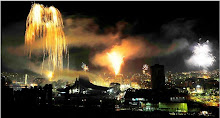
A friend of mine recently went to Mali and sent me these pics. With his permission, I want to share these with you ... beautiful pics....thanks 'k.

Friday, May 9, 2008
My apologies ....
... for the long absence. I have been taking care of family issues and have been a little ill. Yes, a little water has gone under the bridge since when I was here last but I will make it up to you all as I have some incredible pictures from Mali that a friend took on his recent trip. More to come soon :) Serbian elections this weekend; protest in Pristina today against the elections taking place in Kosovo ... despite all of these, one cannot help but feel bored by all of these.
---------------------
If interested in reading about my country: America, Land of the Free (No more???)
---------------------
If interested in reading about my country: America, Land of the Free (No more???)
Wednesday, April 9, 2008
Newly independent Kosovo adopts constitution - WELCOME TO THE FUTURE!!!
PRISTINA, April 9, 2008 (AFP) - Kosovo's parliament voted unanimously on Wednesday to adopt the Balkan state's first constitution after it unilaterally declared independence from Serbia. "By passing this constitution, we are setting the foundations to build Kosovo as a democratic and sovereign state," parliament speaker Jakup Krasniqi said. The constitution, which is to come into effect on June 15, was approved by all 107 deputies present at a special session of the parliament, which is dominated by ethnic Albanians. Its adoption enables Kosovo's institutions to take over from a mission of the United Nations (UNMIK) which has administered the disputed territory since the end of its 1998-1999 conflict. The move also paves the way for the complete deployment of the European Union's 2,000-strong peace and justice mission to Kosovo, dubbed EULEX, which is to oversee Kosovo's "supervised" independence. Kosovo's parliament unilaterally declared independence from Serbia on February 17. It has since been recognised by 38 countries, including the United States and most of the European Union. "The constitution is our will and legitimacy. It is a seal of the state of Kosovo," Prime Minister Hashim Thaci told parliament. "This is another historic step forward in building of our stable state and democratic governance in an independent, sovereign and proud Kosovo," said the ethnic Albanian leader. Backed by traditional ally Russia, Serbia, which views Kosovo as its historic heartland, has rejected the independence declaration, saying it violates international law. Kosovo -- a mountainous territory with some 1.8 million people, 90 percent of them ethnic Albanians -- would be a parliamentary republic and "citizens' state," according to the text of the constitution. "The Republic of Kosovo is a secular state and is neutral in matters of religious beliefs," it said, adding that the "official languages in the Republic of Kosovo are Albanian and Serbian." The constitution guarantees the rights and protection of minorities, notably Serbs who have rejected Kosovo's independence. "Serbs are the citizens of Kosovo. This constitution is also theirs," president Fatmir Sejidu told reporters after the charter was adopted. "We want them to be an important foundation and a bridge for the future better relations with the state of Serbia." The plan for Kosovo's "internationally supervised independence" was devised by special UN envoy Martti Ahtisaari last year after failed talks between Belgrade and Pristina on Kosovo's status.
Monday, April 7, 2008
Haradinaj is acquitted ...
The least they could have done was find him guilty of bad taste. I detest that horrendous monstrosity of an observatory he calls a mansion built illegally on Prishtin"ian" hills. [What? You were expecting some deep analysis of this issue from me? Like I have nothing better to do with my time :P]
On to something more important: an advertisement to volunteer with young Kosovans in Pristina:
Would you like to get to know members of the youngest population in Europe, and see Kosovo through new eyes? Pupils in Kosovo's urban schools attend classes in shifts. In large classes, attending school for only a few hours a day, they have little opportunity for attention from their teachers, and when it comes to learning English, almost no access to native speakers as role models for their language learning.
Would you like to help? Are you a native English speaker? Could you give up a few hours a week for a 5 week project to support Kosovan kids' learning of English in after-school clubs? We are setting up a pilot project for volunteers to work in pairs running bi-weekly after-school English clubs with groups of up to twelve 10-year-olds in a school in Pristina. No previous experience of teaching English is required - we will run a few training sessions in advance of the project starting, offer the necessary resources, and be available for support during the 5 weeks that the project runs. Depending on the interest in our after school clubs, and the success of the project for the children, volunteers and school, we hope to extend the project with more volunteers and more schools in the autumn term.
Volunteers will need to be available for training on Friday 18 April, Wednesday 23 April and Friday 25 April from 2 - 5pm and for one further session during the week of 5 May. Beyond that, the commitment can be flexible. If you have questions about the project, please contact us (elizabethgowing@hotmail.com).
On to something more important: an advertisement to volunteer with young Kosovans in Pristina:
Would you like to get to know members of the youngest population in Europe, and see Kosovo through new eyes? Pupils in Kosovo's urban schools attend classes in shifts. In large classes, attending school for only a few hours a day, they have little opportunity for attention from their teachers, and when it comes to learning English, almost no access to native speakers as role models for their language learning.
Would you like to help? Are you a native English speaker? Could you give up a few hours a week for a 5 week project to support Kosovan kids' learning of English in after-school clubs? We are setting up a pilot project for volunteers to work in pairs running bi-weekly after-school English clubs with groups of up to twelve 10-year-olds in a school in Pristina. No previous experience of teaching English is required - we will run a few training sessions in advance of the project starting, offer the necessary resources, and be available for support during the 5 weeks that the project runs. Depending on the interest in our after school clubs, and the success of the project for the children, volunteers and school, we hope to extend the project with more volunteers and more schools in the autumn term.
Volunteers will need to be available for training on Friday 18 April, Wednesday 23 April and Friday 25 April from 2 - 5pm and for one further session during the week of 5 May. Beyond that, the commitment can be flexible. If you have questions about the project, please contact us (elizabethgowing@hotmail.com).
Monday, March 31, 2008
Friday, March 21, 2008
Kosovo is burning????
I do not think so but it was interesting to see UNMIK flexing some military muscles this past week to dire consequences. Also interesting to note that none of the elites from any side gets hurt in these incidents, it's always blue collared young people getting the shaft and bullets. I would like to see Kostunica or Krasniqi go sleep on the streets and get stones and bullets rained on them ... mofos. In case you missed it, here you go. Since then, an UNMIK police officer from Ukraine has passed away and a Serb man is in critical condition from a bullet in his head (plus plenty others wounded on both sides, some critically).
An interesting side story, what has bread got to do with nationality? everything apparently ... in Serbia.
03/20/2008 Serbian president Tadic urges probe into calls for boycott of Albanian-owned bakeries (Ap)
BELGRADE, Serbia_Serbia's President Boris Tadic is demanding that police find out who is behind calls to boycott Albanian-owned bakeries in response to Kosovo's declaration of independence. Tadic is critical of what he termed "chauvinist actions" against Serbia's ethnic Albanian citizens. He says each citizen has the same rights regardless of ethnic or religious background. Serbian nationalists have handed out free bread in front of Albanian-owned bakeries in the northern city of Sombor and other towns since Kosovo declared independence from Serbia on Feb. 17. On Thursday, leaflets urging a new boycott of Albanian shops are appearing. Kosovo is considered Serbia's medieval heartland, but is dominated by separatist ethnic Albanians.
HAPPY EASTER ... if you celebrate it. Let peace reign, people!!!
An interesting side story, what has bread got to do with nationality? everything apparently ... in Serbia.
03/20/2008 Serbian president Tadic urges probe into calls for boycott of Albanian-owned bakeries (Ap)
BELGRADE, Serbia_Serbia's President Boris Tadic is demanding that police find out who is behind calls to boycott Albanian-owned bakeries in response to Kosovo's declaration of independence. Tadic is critical of what he termed "chauvinist actions" against Serbia's ethnic Albanian citizens. He says each citizen has the same rights regardless of ethnic or religious background. Serbian nationalists have handed out free bread in front of Albanian-owned bakeries in the northern city of Sombor and other towns since Kosovo declared independence from Serbia on Feb. 17. On Thursday, leaflets urging a new boycott of Albanian shops are appearing. Kosovo is considered Serbia's medieval heartland, but is dominated by separatist ethnic Albanians.
HAPPY EASTER ... if you celebrate it. Let peace reign, people!!!
Tuesday, March 11, 2008
Yeah, another story from Kosova ...
For those who might be tired of these stories, you might want to switch off a little, I love these interesting stories of people in this new country. Here is another one:
An American – university – in Kosovo
By Robert Marquand Tue Mar 11, 4:00 AM ET
The Christian Science Monitor
A few years ago, Chris Hall was a state senator from midcoast Maine. He had quit a job as a steel and mining executive, deciding "never again" to do the weekly commute from Portland to New York. But a defeat in 2004 opened the door for Mr. Hall to become the first president of one of the more unusual colleges in Europe: the American University in Kosovo.
After decades of repression and war, Kosovo's schools were in tatters. A privileged few studied abroad. But AUK, formed three years ago with funds from the Albanian diaspora and the only multiethnic private college here, aspires to help the somewhat battered new state build its next generation of leaders. It's a mission the Oxford-educated Hall deeply believes in.
Kosovo's declaration of independence on Feb. 17 may have brought angry protests from Serbs 30 miles away on the Ibar River, but Hall has a college to run. He sits in on statistics classes, juggles scholarships and budgets, coordinates with Rochester (N.Y.) Institute of Technology, which grants AUK degrees, and hires Fulbright scholars.
He's added a public policy program to what is now a business degree and helped create one of the freest weekly political forums in Pristina, albeit one in English. He wants the small school to breathe the values of civil society and intelligent democratic sentiments.
Just last week, Hall was in Chicago signing a partnership with the Illinois Institute of Technology for an AUK master's in law, which will be the only such degree offered in Kosovo.
Most important, Hall and many students say, AUK offers Kosovar youths a school where they encounter Western-style debates, interaction, and educational standards.
Student Tefta Kelmendi first considered going abroad for college, since there were "many other possibilities offered to Kosovar students for study abroad and scholarships," she says. But AUK allowed her to "be part of all these significant changes that are taking place" in Kosovo, so she stayed.
The college opened in 2003 in a crowded house with few facilities. But two years ago, AUK moved to a small complex in a hilly suburb, with lecture halls, information-technology facilities, and a cafeteria-cum-student hangout. Some 34 professors – from the Balkans as well asthe US – staff the school. Enrollment is 450, but Hall and company plan for 600. Last year, the school celebrated its first graduating class, of 57.
Of those, more than 40 now work in Kosovo, a point of pride for Hall and the AUK board, whose members include prominent American Albanians like businessman Richard Lukaj and Ron Cami, a partner of the New York law firm Cravath, Swaine & Moore. Students come mostly from the Albanian diaspora in 11 other countries, including Syria, Nigeria, and Algeria. Four Serbian students attend – and have not left despite Kosovo's declaration of independence.
AUK is "a success story in a part of the world with few success stories at this point," says Louis Sell, a former US diplomat and an AUK board member who helped bring Hall to the school. Mr. Sell feels that after Kosovo's declaration of independence, a school of public service at AUK will make a contribution. The school is seeking $3 million in scholarships as part of a larger Kosovo package now before Congress. Kosovo "is a part of Europe that is nominally Islamic, but overwhelmingly pro-American. The US has been quite cautious in the money it gives. But we hope that is changing," Sell adds.
After Hall lost his senate seat in 2004, he ran into Sell, who lives nearby. Sell knew that Hall, a Briton turned naturalized American, had a longstanding interest in the Balkans. Hall was in one of the first tour groups to enter Albania in 1990 after it had been closed for decades. Sell, with other US diplomats, had worked with the Fund for the Reconstruction of Kosovo, made up of Albanians, to establish a nonprofit college in Pristina with $4 million left over from the monies collected from the diaspora.
Hall, who was going to be in Belgrade, agreed to pop down to Pristina. While the college was "this overstuffed house on a hill," as Hall recalls, he was "deeply impressed" with students. "They don't have the worldliness you find in so many American kids of this generation," he says.
Before 1999, Kosovar students lived in a virtual police state under the Serbs. After NATO intervention, they were going to schools that "suffered every conceivable form of setback. But Hall found "a degree of idealism and passion for learning that I had not expected.... [We] don't have the drugs and crime you would expect, either."
Hall taught public policy courses for two years, then agreed to be president in the summer of 2007. That meant living away from his wife, Jackie Wardell, who heads a staff of 80 at a community bank on the Maine coast that does a small business lending to women and minorities.
"We thought about it long and hard. It took a lot of searching," Hall says, adding that his administration's motto in working out knots and kinks in a highly sensitive locale is "to be diplomats – friends with everybody and allies of nobody."
"Kosovo has a population of incredible talent and energy; I wouldn't be here if I weren't optimistic," he says. Some of his biggest battles in what he calls "management by walking around" is raising faculty expectations of students: "I don't want to hear that we have to go easy because these are poor Kosovars. They have the talent to be every bit as good as RIT students."
Robert McCloud, an IT professor here on a Fulbright from Sacred Heart University in Connecticut, describes Kosovo youths as a bright and innovative generation who haven't been exposed to enough differing ways of thinking. But being isolated, he says, "They are much too self-taught." he says. In his graphics classes he tries to get them to expand into different types of software. "Everything is done in Photoshop. They buy the software for $1.50. So finally I tell them, don't show me any more Photoshop!"
For Hall, AUK's success is measured by the help it offers the new state. With a pedigree name (American University) and English fluency requirement, in gritty Pristina the school has a reputation as elite. Only about 20 percent of students are on scholarship, and the tuition is $4,000 a year, hefty by Kosovo standards. Still, an AUK degree is not "a passport out of town," Hall says.
Hall, who deeply loves Maine and its people, says he is giving AUK "three years, about right for this kind of commitment."
An American – university – in Kosovo
By Robert Marquand Tue Mar 11, 4:00 AM ET
The Christian Science Monitor
A few years ago, Chris Hall was a state senator from midcoast Maine. He had quit a job as a steel and mining executive, deciding "never again" to do the weekly commute from Portland to New York. But a defeat in 2004 opened the door for Mr. Hall to become the first president of one of the more unusual colleges in Europe: the American University in Kosovo.
After decades of repression and war, Kosovo's schools were in tatters. A privileged few studied abroad. But AUK, formed three years ago with funds from the Albanian diaspora and the only multiethnic private college here, aspires to help the somewhat battered new state build its next generation of leaders. It's a mission the Oxford-educated Hall deeply believes in.
Kosovo's declaration of independence on Feb. 17 may have brought angry protests from Serbs 30 miles away on the Ibar River, but Hall has a college to run. He sits in on statistics classes, juggles scholarships and budgets, coordinates with Rochester (N.Y.) Institute of Technology, which grants AUK degrees, and hires Fulbright scholars.
He's added a public policy program to what is now a business degree and helped create one of the freest weekly political forums in Pristina, albeit one in English. He wants the small school to breathe the values of civil society and intelligent democratic sentiments.
Just last week, Hall was in Chicago signing a partnership with the Illinois Institute of Technology for an AUK master's in law, which will be the only such degree offered in Kosovo.
Most important, Hall and many students say, AUK offers Kosovar youths a school where they encounter Western-style debates, interaction, and educational standards.
Student Tefta Kelmendi first considered going abroad for college, since there were "many other possibilities offered to Kosovar students for study abroad and scholarships," she says. But AUK allowed her to "be part of all these significant changes that are taking place" in Kosovo, so she stayed.
The college opened in 2003 in a crowded house with few facilities. But two years ago, AUK moved to a small complex in a hilly suburb, with lecture halls, information-technology facilities, and a cafeteria-cum-student hangout. Some 34 professors – from the Balkans as well asthe US – staff the school. Enrollment is 450, but Hall and company plan for 600. Last year, the school celebrated its first graduating class, of 57.
Of those, more than 40 now work in Kosovo, a point of pride for Hall and the AUK board, whose members include prominent American Albanians like businessman Richard Lukaj and Ron Cami, a partner of the New York law firm Cravath, Swaine & Moore. Students come mostly from the Albanian diaspora in 11 other countries, including Syria, Nigeria, and Algeria. Four Serbian students attend – and have not left despite Kosovo's declaration of independence.
AUK is "a success story in a part of the world with few success stories at this point," says Louis Sell, a former US diplomat and an AUK board member who helped bring Hall to the school. Mr. Sell feels that after Kosovo's declaration of independence, a school of public service at AUK will make a contribution. The school is seeking $3 million in scholarships as part of a larger Kosovo package now before Congress. Kosovo "is a part of Europe that is nominally Islamic, but overwhelmingly pro-American. The US has been quite cautious in the money it gives. But we hope that is changing," Sell adds.
After Hall lost his senate seat in 2004, he ran into Sell, who lives nearby. Sell knew that Hall, a Briton turned naturalized American, had a longstanding interest in the Balkans. Hall was in one of the first tour groups to enter Albania in 1990 after it had been closed for decades. Sell, with other US diplomats, had worked with the Fund for the Reconstruction of Kosovo, made up of Albanians, to establish a nonprofit college in Pristina with $4 million left over from the monies collected from the diaspora.
Hall, who was going to be in Belgrade, agreed to pop down to Pristina. While the college was "this overstuffed house on a hill," as Hall recalls, he was "deeply impressed" with students. "They don't have the worldliness you find in so many American kids of this generation," he says.
Before 1999, Kosovar students lived in a virtual police state under the Serbs. After NATO intervention, they were going to schools that "suffered every conceivable form of setback. But Hall found "a degree of idealism and passion for learning that I had not expected.... [We] don't have the drugs and crime you would expect, either."
Hall taught public policy courses for two years, then agreed to be president in the summer of 2007. That meant living away from his wife, Jackie Wardell, who heads a staff of 80 at a community bank on the Maine coast that does a small business lending to women and minorities.
"We thought about it long and hard. It took a lot of searching," Hall says, adding that his administration's motto in working out knots and kinks in a highly sensitive locale is "to be diplomats – friends with everybody and allies of nobody."
"Kosovo has a population of incredible talent and energy; I wouldn't be here if I weren't optimistic," he says. Some of his biggest battles in what he calls "management by walking around" is raising faculty expectations of students: "I don't want to hear that we have to go easy because these are poor Kosovars. They have the talent to be every bit as good as RIT students."
Robert McCloud, an IT professor here on a Fulbright from Sacred Heart University in Connecticut, describes Kosovo youths as a bright and innovative generation who haven't been exposed to enough differing ways of thinking. But being isolated, he says, "They are much too self-taught." he says. In his graphics classes he tries to get them to expand into different types of software. "Everything is done in Photoshop. They buy the software for $1.50. So finally I tell them, don't show me any more Photoshop!"
For Hall, AUK's success is measured by the help it offers the new state. With a pedigree name (American University) and English fluency requirement, in gritty Pristina the school has a reputation as elite. Only about 20 percent of students are on scholarship, and the tuition is $4,000 a year, hefty by Kosovo standards. Still, an AUK degree is not "a passport out of town," Hall says.
Hall, who deeply loves Maine and its people, says he is giving AUK "three years, about right for this kind of commitment."
Saturday, March 8, 2008
Happy International Women Day
Kosovo's women suffer
Stemming domestic violence and human trafficking remains a challenge in the newly independent nation.
By Tracy WilkinsonLos Angeles Times Staff Writer
March 10, 2008PRISTINA, KOSOVO — She purses her lips in a "tsk-tsk" when asked difficult questions. Questions about her life, about the husband who beats her, the father who denies her an inheritance and a place to live.Slightly hunchbacked, her thin frame barely fills the several layers of donated clothing she wears. At 26, she looks 15. She has three children and an elementary-school education. When she showed up at the door of a women's shelter here, purple bruises blotched her face and framed her shattered, crooked nose. Chunks of her hair had been ripped out."I've been beaten a lot," said Fatima. "They beat me so badly the last time, I could not care for my children." In the last couple of years, she says, she has spent more time at the shelter, hiding, than in her husband's house. It is only a slight exaggeration.Fatima is actually luckier than many women in Kosovo, a harsh region weighted by twin burdens of poverty and unenlightened tradition. A United Nations study in 2000 estimated that one-fourth of the female population of Kosovo suffered physical or psychological abuse; Kosovo police last year recorded 1,077 cases of domestic violence.Fatima and her children were able to escape to a shelter, one of a dozen or so that now operate here. It has given her refuge from the violent men of her family and an alternative to an even darker fate: being sold into the expansive networks that traffic women like chattel in this part of the world. But for every woman in Kosovo who is saved, an untold number do not make it, according to women's advocates and social workers.Dominated by ethnic Albanians, Kosovo broke away from Serbia last month, proclaiming itself an independent nation, with fervent backing from Washington. Among Kosovo's many challenges, from building state institutions to combating rampant corruption, is improving its historically unjust and often criminal treatment of women. Like much of the surrounding, rugged Balkans, Kosovo has long served as a notorious transit point for the international trafficking of women, mostly from Eastern Europe, who are forced into prostitution or slavery.After a brutal crackdown by Slobodan Milosevic in 1999, Kosovo came under the stewardship of the North Atlantic Treaty Organization and the United Nations. During the years since, Kosovo evolved from a transit point into both a source of and destination for trafficked women. Often, Kosovo officials and former guerrilla commanders were complicit in the lucrative trade -- and the resident international community, including peacekeepers and civilian consultants, its market. Unemployment problemThe question now is whether independence, which is still in an embryonic stage and not universally recognized, will result in a change of status for women and eradication of the trafficking networks. Or whether organized criminal gangs, with allies in the new government, will be given an even freer hand."The first thing our government must do, and they've promised a lot, is to fight unemployment. The violence is linked directly to economic conditions," said Naime Sherifa, director of the Center for the Protection of Women and Children in Pristina, the first such organization here. "People are very tired of being poor."Tired, she said, and ready to explode. Roughly half of Kosovo's generally young population is out of work; the World Bank and other experts believe it could take a decade to dramatically reduce unemployment. Poverty strains Kosovo's families, which tend to be large. Add to that the dislocations of war: Thousands of people were killed and entire villages razed, their residents forced to move to urban areas. There, many live in cramped conditions, disoriented, unsettled in an unfamiliar environment.The breakdown of family structure and the transfer of populations to cities created an anonymity in Kosovo society that did not exist before the war; as one consequence, it left women vulnerable to traffickers and other abuse, said Wanda Troszczynska, a Kosovo specialist with the New York-based Human Rights Watch.Women used to be relegated to restrictive lives at home, guarded behind the high-walled compounds that traditionally housed extended ethnic Albanian families, or clans. It wasn't freedom, but it was out of the reach of outside exploitation. Traffickers brought women from elsewhere, such as Moldova and Romania, initially to be shuttled to Italy or other parts of Europe and, after the war, to remain in Kosovo to "service" a growing international population.Eventually, more and more Kosovo women, ripped from their traditional home life, also fell prey to traffickers and found themselves lured by promises of work, marriage or their own cellphone, only to end up in seedy bars, strip joints and brothels.Need to enforce lawsIn their long march to prove themselves ready to run a state, Kosovo Albanians set up a police force under United Nations tutelage that gradually took up the mission of raiding bars and rescuing victims of sexual exploitation. In 2006, the Kosovo police conducted 99 raids, arrested 28 suspected traffickers and "identified" 50 victims, according to statistics provided by the State Department's Office to Monitor and Combat Trafficking in Persons.By all accounts, the work by the Kosovo police is an improvement but targets only the tip of the iceberg.More insidious than the trafficking are the domestic abuse cases. Perhaps tens of thousands of women suffer violence at home or the denial of basic rights, according to human rights activists and social workers. Experts say the problem crosses ethnic lines -- Albanians, Serbs, Roma and others are victims -- and remains vastly underreported. Igballe Rogova, head of the Kosova Women's Network, an umbrella coalition of about 40 groups, said she was hopeful the government, with the independence issue more or less settled, could put into practice laws that exist on paper."Today we have really incredibly good mechanisms on gender equality," she told a European Parliament committee on women's issues in Brussels late last month. "We have a law on gender equality, we have an office on gender equality at the prime minister level and, in every ministry, gender equality officers. We are not happy with the implementation of these mechanisms, but we are very optimistic." Sherifa said laws grant women the rights to own and inherit property on the same terms as men. But it often does not happen that way.In the case of Fatima, for example, her father owns nearly nine acres of land, which he has divided among her brothers. But he refuses to give Fatima any, forcing her to live with her husband and children in her father-in-law's tiny house. Seven people live, cramped and unhappily, in the two-room shack.Both her husband and her father-in-law beat her, Fatima said. Her "offenses" ranged from asking for money to buy medicine for a sick child, or asking for food. Sometimes, she said, she goes days without eating. Fatima has ended up in the shelter three times in the last two years, each time after a beating so severe she could not stand the pain any longer.Haven for abusedThe shelter, run by Sherifa's organization, was the first one in Kosovo. It is a three-story house behind a gate on a quiet street of Pristina. Police patrol it regularly. (The Times was granted rare access to the shelter and its residents on the condition that neither the location nor the victims be identified. "Fatima" is a pseudonym.) The good news in Fatima's story is that when, bruised and bloodied, she called the police, they came. They took her to the shelter. She returned to the family after the men were briefly detained by the police and ordered not to touch her again. Now, however, it is clear the intervention has failed, Sherifa said, and she will look for a permanent place for Fatima and her children to live.More than anything, Fatima seems weary. "I just feel sorry for my children," she said. "They see all this violence all the time. I'm afraid it will affect them." The bad news is the shelters are full, unable to meet the demand; abusers are rarely prosecuted, witnesses too terrified to come forward.Said Sherifa: "This is something we, and the next generation, will have to work on."
Stemming domestic violence and human trafficking remains a challenge in the newly independent nation.
By Tracy WilkinsonLos Angeles Times Staff Writer
March 10, 2008PRISTINA, KOSOVO — She purses her lips in a "tsk-tsk" when asked difficult questions. Questions about her life, about the husband who beats her, the father who denies her an inheritance and a place to live.Slightly hunchbacked, her thin frame barely fills the several layers of donated clothing she wears. At 26, she looks 15. She has three children and an elementary-school education. When she showed up at the door of a women's shelter here, purple bruises blotched her face and framed her shattered, crooked nose. Chunks of her hair had been ripped out."I've been beaten a lot," said Fatima. "They beat me so badly the last time, I could not care for my children." In the last couple of years, she says, she has spent more time at the shelter, hiding, than in her husband's house. It is only a slight exaggeration.Fatima is actually luckier than many women in Kosovo, a harsh region weighted by twin burdens of poverty and unenlightened tradition. A United Nations study in 2000 estimated that one-fourth of the female population of Kosovo suffered physical or psychological abuse; Kosovo police last year recorded 1,077 cases of domestic violence.Fatima and her children were able to escape to a shelter, one of a dozen or so that now operate here. It has given her refuge from the violent men of her family and an alternative to an even darker fate: being sold into the expansive networks that traffic women like chattel in this part of the world. But for every woman in Kosovo who is saved, an untold number do not make it, according to women's advocates and social workers.Dominated by ethnic Albanians, Kosovo broke away from Serbia last month, proclaiming itself an independent nation, with fervent backing from Washington. Among Kosovo's many challenges, from building state institutions to combating rampant corruption, is improving its historically unjust and often criminal treatment of women. Like much of the surrounding, rugged Balkans, Kosovo has long served as a notorious transit point for the international trafficking of women, mostly from Eastern Europe, who are forced into prostitution or slavery.After a brutal crackdown by Slobodan Milosevic in 1999, Kosovo came under the stewardship of the North Atlantic Treaty Organization and the United Nations. During the years since, Kosovo evolved from a transit point into both a source of and destination for trafficked women. Often, Kosovo officials and former guerrilla commanders were complicit in the lucrative trade -- and the resident international community, including peacekeepers and civilian consultants, its market. Unemployment problemThe question now is whether independence, which is still in an embryonic stage and not universally recognized, will result in a change of status for women and eradication of the trafficking networks. Or whether organized criminal gangs, with allies in the new government, will be given an even freer hand."The first thing our government must do, and they've promised a lot, is to fight unemployment. The violence is linked directly to economic conditions," said Naime Sherifa, director of the Center for the Protection of Women and Children in Pristina, the first such organization here. "People are very tired of being poor."Tired, she said, and ready to explode. Roughly half of Kosovo's generally young population is out of work; the World Bank and other experts believe it could take a decade to dramatically reduce unemployment. Poverty strains Kosovo's families, which tend to be large. Add to that the dislocations of war: Thousands of people were killed and entire villages razed, their residents forced to move to urban areas. There, many live in cramped conditions, disoriented, unsettled in an unfamiliar environment.The breakdown of family structure and the transfer of populations to cities created an anonymity in Kosovo society that did not exist before the war; as one consequence, it left women vulnerable to traffickers and other abuse, said Wanda Troszczynska, a Kosovo specialist with the New York-based Human Rights Watch.Women used to be relegated to restrictive lives at home, guarded behind the high-walled compounds that traditionally housed extended ethnic Albanian families, or clans. It wasn't freedom, but it was out of the reach of outside exploitation. Traffickers brought women from elsewhere, such as Moldova and Romania, initially to be shuttled to Italy or other parts of Europe and, after the war, to remain in Kosovo to "service" a growing international population.Eventually, more and more Kosovo women, ripped from their traditional home life, also fell prey to traffickers and found themselves lured by promises of work, marriage or their own cellphone, only to end up in seedy bars, strip joints and brothels.Need to enforce lawsIn their long march to prove themselves ready to run a state, Kosovo Albanians set up a police force under United Nations tutelage that gradually took up the mission of raiding bars and rescuing victims of sexual exploitation. In 2006, the Kosovo police conducted 99 raids, arrested 28 suspected traffickers and "identified" 50 victims, according to statistics provided by the State Department's Office to Monitor and Combat Trafficking in Persons.By all accounts, the work by the Kosovo police is an improvement but targets only the tip of the iceberg.More insidious than the trafficking are the domestic abuse cases. Perhaps tens of thousands of women suffer violence at home or the denial of basic rights, according to human rights activists and social workers. Experts say the problem crosses ethnic lines -- Albanians, Serbs, Roma and others are victims -- and remains vastly underreported. Igballe Rogova, head of the Kosova Women's Network, an umbrella coalition of about 40 groups, said she was hopeful the government, with the independence issue more or less settled, could put into practice laws that exist on paper."Today we have really incredibly good mechanisms on gender equality," she told a European Parliament committee on women's issues in Brussels late last month. "We have a law on gender equality, we have an office on gender equality at the prime minister level and, in every ministry, gender equality officers. We are not happy with the implementation of these mechanisms, but we are very optimistic." Sherifa said laws grant women the rights to own and inherit property on the same terms as men. But it often does not happen that way.In the case of Fatima, for example, her father owns nearly nine acres of land, which he has divided among her brothers. But he refuses to give Fatima any, forcing her to live with her husband and children in her father-in-law's tiny house. Seven people live, cramped and unhappily, in the two-room shack.Both her husband and her father-in-law beat her, Fatima said. Her "offenses" ranged from asking for money to buy medicine for a sick child, or asking for food. Sometimes, she said, she goes days without eating. Fatima has ended up in the shelter three times in the last two years, each time after a beating so severe she could not stand the pain any longer.Haven for abusedThe shelter, run by Sherifa's organization, was the first one in Kosovo. It is a three-story house behind a gate on a quiet street of Pristina. Police patrol it regularly. (The Times was granted rare access to the shelter and its residents on the condition that neither the location nor the victims be identified. "Fatima" is a pseudonym.) The good news in Fatima's story is that when, bruised and bloodied, she called the police, they came. They took her to the shelter. She returned to the family after the men were briefly detained by the police and ordered not to touch her again. Now, however, it is clear the intervention has failed, Sherifa said, and she will look for a permanent place for Fatima and her children to live.More than anything, Fatima seems weary. "I just feel sorry for my children," she said. "They see all this violence all the time. I'm afraid it will affect them." The bad news is the shelters are full, unable to meet the demand; abusers are rarely prosecuted, witnesses too terrified to come forward.Said Sherifa: "This is something we, and the next generation, will have to work on."
Wednesday, March 5, 2008
Tuesday, March 4, 2008
BOOYAH!!!
You go boy, Rücker!!!
UNMIK/PR/1725
Tuesday, 04 March 2008
UNMIK reasserts control over rail line in north of Kosovo
PRISTINA – UNMIK today reasserted control of the rail line between Zvecan/Zvečan and Leshak/Lešak in the north of Kosovo.
“The successful intervention of UNMIK Border Police today reverses the challenge to UNMIK’s authority that occurred yesterday when Serbian Railways illegally sent two of its trains south of Leshak/Lešak,” said Special Representative of the UN Secretary-General in Kosovo (SRSG) Joachim Rücker.
“Any movement of trains south of Leshak/Lešak by Serbian Railways is a clear challenge to UNMIK’s authority as well as a breach of the 2003 Memorandum of Understanding that Yugoslav Railways [now Serbian Railways] signed with UNMIK Railways [also called Kosovo Railways] and will not be tolerated,” the SRSG said.
Today at around 9:35am, Border Police at the train station in Leshak/Lešak explained to a representative of Serbian Railways that the train would not be permitted to travel south. Serbian Railways complied.
“UNMIK and its partners will continue to meet any challenges to law and order throughout Kosovo,” the SRSG said.
UNMIK/PR/1725
Tuesday, 04 March 2008
UNMIK reasserts control over rail line in north of Kosovo
PRISTINA – UNMIK today reasserted control of the rail line between Zvecan/Zvečan and Leshak/Lešak in the north of Kosovo.
“The successful intervention of UNMIK Border Police today reverses the challenge to UNMIK’s authority that occurred yesterday when Serbian Railways illegally sent two of its trains south of Leshak/Lešak,” said Special Representative of the UN Secretary-General in Kosovo (SRSG) Joachim Rücker.
“Any movement of trains south of Leshak/Lešak by Serbian Railways is a clear challenge to UNMIK’s authority as well as a breach of the 2003 Memorandum of Understanding that Yugoslav Railways [now Serbian Railways] signed with UNMIK Railways [also called Kosovo Railways] and will not be tolerated,” the SRSG said.
Today at around 9:35am, Border Police at the train station in Leshak/Lešak explained to a representative of Serbian Railways that the train would not be permitted to travel south. Serbian Railways complied.
“UNMIK and its partners will continue to meet any challenges to law and order throughout Kosovo,” the SRSG said.
Thursday, February 28, 2008
Wednesday, February 27, 2008
The Gospel of Jeremic
February 27, 2008
Op-Ed Contributor
One Nation, Indivisible
By VUK JEREMIC
Belgrade, Serbia
THE international system that has brought unprecedented prosperity to the world since 1945 is based on rules that apply without exception. This system is supposed to protect the basic, legitimate national interests of every country, whether rich or poor, strong or weak. Its binding principles include the sovereign equality of states, the respect for the territorial integrity and the inviolability of internationally recognized borders.
Yet on Feb. 17, the Serbian province of Kosovo, which has been under United Nations administration since 1999, unilaterally declared independence from my country. This illegal act has, unfortunately, been recognized by the Bush administration and some European countries including Britain, France and Germany. Others in Europe — including Greece, Romania and Spain — have withheld recognition, as have most other leading global and regional players, including Brazil, China, Egypt, India, Israel, Russia and South Africa.
As things stand, the number of countries that will recognize an independent Kosovo will plateau at around 40, leaving it unrecognized by a vast majority of the close to 200 members of the United Nations. This includes, of course, the Republic of Serbia.
A peaceful demonstration of close to half a million people in Belgrade last week condemned this act of illegal secession. Unfortunately, a few hundred hooligans attacked several embassies, including that of the United States, and looted stores; they even attacked my ministry. Our government has condemned these acts, and will prosecute the offenders.
The case against recognition is based not only on the Security Council’s 1999 resolution reaffirming Serbia’s sovereignty over Kosovo, but also founded on the view that the international system has, as a result of this hostile act by the Kosovo Albanians, become more unstable, more insecure and more unpredictable.
Here’s why. Recognizing the unilateral declaration of Kosovo’s independence from Serbia legitimizes the doctrine of imposing solutions to ethnic conflicts. It legitimizes the act of unilateral secession by a provincial or other non-state actor. It transforms the right to self-determination into an avowed right to independence. It legitimizes the forced partition of internationally recognized, sovereign states.
It violates the commitment to the peaceful and consensual resolution of disputes in Europe. It supplies any ethnic or religious group that has a grievance against its capital with a playbook on how to achieve its ends. It even resurrects the discredited cold-war doctrine of limited sovereignty.
A historical injustice is being imposed on a European country that has overcome more obstacles since we democratically overthrew Slobodan Milosevic in October 2000 than most other nations have in a much longer time. Recognizing Kosovo means saying, in effect, that Serbian democracy must be punished because a tyrant — one who committed heinous deeds against the Kosovo Albanians in the 1990s — was left unpunished. Such misplaced revenge may make some feel better, but it will make the international system feel much worse.
To act out of a false moral imperative to right a supposed historical wrong will contribute neither to international security nor to the region’s prospects of European Union membership. It is time to take a step back and examine the damage done.
If we can find a creative way to step back from the abyss that is Kosovo’s unilateral declaration of independence, we could not only salvage the credibility of the international system, but even strengthen it through a re-commitment to its basic principles. Some will say that it’s too late to put the genie back in the bottle. I don’t believe that’s true, because it’s never too late to forge a prosperous future for all stakeholders to share.
What is absolutely certain is that trust needs to be rebuilt and values must be reaffirmed. The way forward lies in coming together and securing an agreement between the two parties: a negotiated, compromise solution to Kosovo’s future status that addresses the legitimate right to broad self-governance for Kosovo’s Albanians, while preserving a democratic Serbia that is whole and free, integrated into Europe, and engaged with a world set aright through prudent statecraft.
The legitimacy of the international system hangs in the balance.
Vuk Jeremic is the foreign minister of Serbia.
Op-Ed Contributor
One Nation, Indivisible
By VUK JEREMIC
Belgrade, Serbia
THE international system that has brought unprecedented prosperity to the world since 1945 is based on rules that apply without exception. This system is supposed to protect the basic, legitimate national interests of every country, whether rich or poor, strong or weak. Its binding principles include the sovereign equality of states, the respect for the territorial integrity and the inviolability of internationally recognized borders.
Yet on Feb. 17, the Serbian province of Kosovo, which has been under United Nations administration since 1999, unilaterally declared independence from my country. This illegal act has, unfortunately, been recognized by the Bush administration and some European countries including Britain, France and Germany. Others in Europe — including Greece, Romania and Spain — have withheld recognition, as have most other leading global and regional players, including Brazil, China, Egypt, India, Israel, Russia and South Africa.
As things stand, the number of countries that will recognize an independent Kosovo will plateau at around 40, leaving it unrecognized by a vast majority of the close to 200 members of the United Nations. This includes, of course, the Republic of Serbia.
A peaceful demonstration of close to half a million people in Belgrade last week condemned this act of illegal secession. Unfortunately, a few hundred hooligans attacked several embassies, including that of the United States, and looted stores; they even attacked my ministry. Our government has condemned these acts, and will prosecute the offenders.
The case against recognition is based not only on the Security Council’s 1999 resolution reaffirming Serbia’s sovereignty over Kosovo, but also founded on the view that the international system has, as a result of this hostile act by the Kosovo Albanians, become more unstable, more insecure and more unpredictable.
Here’s why. Recognizing the unilateral declaration of Kosovo’s independence from Serbia legitimizes the doctrine of imposing solutions to ethnic conflicts. It legitimizes the act of unilateral secession by a provincial or other non-state actor. It transforms the right to self-determination into an avowed right to independence. It legitimizes the forced partition of internationally recognized, sovereign states.
It violates the commitment to the peaceful and consensual resolution of disputes in Europe. It supplies any ethnic or religious group that has a grievance against its capital with a playbook on how to achieve its ends. It even resurrects the discredited cold-war doctrine of limited sovereignty.
A historical injustice is being imposed on a European country that has overcome more obstacles since we democratically overthrew Slobodan Milosevic in October 2000 than most other nations have in a much longer time. Recognizing Kosovo means saying, in effect, that Serbian democracy must be punished because a tyrant — one who committed heinous deeds against the Kosovo Albanians in the 1990s — was left unpunished. Such misplaced revenge may make some feel better, but it will make the international system feel much worse.
To act out of a false moral imperative to right a supposed historical wrong will contribute neither to international security nor to the region’s prospects of European Union membership. It is time to take a step back and examine the damage done.
If we can find a creative way to step back from the abyss that is Kosovo’s unilateral declaration of independence, we could not only salvage the credibility of the international system, but even strengthen it through a re-commitment to its basic principles. Some will say that it’s too late to put the genie back in the bottle. I don’t believe that’s true, because it’s never too late to forge a prosperous future for all stakeholders to share.
What is absolutely certain is that trust needs to be rebuilt and values must be reaffirmed. The way forward lies in coming together and securing an agreement between the two parties: a negotiated, compromise solution to Kosovo’s future status that addresses the legitimate right to broad self-governance for Kosovo’s Albanians, while preserving a democratic Serbia that is whole and free, integrated into Europe, and engaged with a world set aright through prudent statecraft.
The legitimacy of the international system hangs in the balance.
Vuk Jeremic is the foreign minister of Serbia.
Thursday, February 21, 2008
Hey Ma, can you hear me? We are news again ... so is our distant cousin!!!

So, fires have become the protest weapon of choice for the "thugs" of Serbia. Are these really "thugs" or just a convenient labeling by both sides to understate the frustration of a large population in Serbia? Personally, I have no problem with people who want to vent their frustration ... nobody likes to give away power or their view of power willingly. So I sent out some emails to some people (non-US and non-Euro) and here are some advices they have for the protesting "thugs":
1. Wearing hoodies is not the chic fashion for true protesters. Otherwise it might be interpreted that you are not really sure of what you are protesting for and are more afraid for your jobs and getting arrested than for your cause. Did Che, Chavez or Mandela wear hoodies? Answer is NO!!!
2. While fires might be cute on tv news, they have this nasty habit of being uncontrollable atimes, as evidenced by the dead person from the US embassy fire. Perhaps try more modern technology.
3. Going back home in Belgrade for dinner and sleep after breaking open borders just seems plain lazy and shows lack of commitment. Here is a quote from a gal on a small island: "I am not in the military and even I will tell you that it's more effective to occupy any territory taken. Heading home for the night and then coming back to retake the same border is a waste of effort and has the potential to make you seem like the "boys" who cried wolf. For heaven's sake, occupy Kosovo already if you are so intent on taking it back."
.... and lose the cell phones on camera. Makes you look more like a drug dealer rather than a soldier for the heartland.
There you have it folks. From moi, here are a couple of news links that are interesting to read:
- Storming of embassy in Serbia sparks U.S. outrage (apparently, Kostunica apologized to the US but no one has apologised yet to the dead body found in the fire - martyr or moron?)
Stories ... Kosova
Taking a little break from the Independence euphoria, I started searching for stories and articles that might have been written about non-independence-related Kosovo matters (like the one below); considering there were tons of journalists here ... one or 2 might have been interested in other parts of life in Kosovo. It was a futile search. If you know of any, please send to me. As a bonus, I found this: Articles written when Kosovo was not famous...
It's 'Islam lite' as Kosovars shun extremist Muslim dogma
Faith in Islam can coexist with a fondness for a beer at the local in the country seen as Europe's bulwark against radicalisation
By William Kole
in Gnjilane, Kosovo
KASTRIOT Sadiku, 25, has a confession: like a good Muslim, he was near a mosque when Kosovo declared independence. But like a good Kosovar, he was just around the corner from it, sipping beer at his favourite pub. "In the entire Muslim world, I think that's probably something that can only happen here, where our religion doesn't interfere with the rest of our lives," he said.Much has been made of Kosovo's status as the world's newest mostly Muslim nation. But its secular government, religious leaders and faithful have carefully distanced themselves from the slightest hint of extremism.The fledgling Republic of Kosovo, they insist, embraces a decidedly laid-back version of Islam."Our Islam is 'lite' – like Coke Lite or Marlboro Light cigarettes," said Ilmi Krasniqi, an imam at one of five mosques in the eastern town of Gnjilane. "This is not Baghdad, and what goes on in Saudi Arabia cannot happen here."Agim Hyseni, the chief imam in Gnjilane, said Muslims in feverishly pro-United States Kosovo have distanced themselves from extremist ideology or acts. "The people here feel no empathy for those kind of acts," he said. "They know very well what terrorism is because they've suffered through so many terrorist acts."But if terrorism is a relative term in Kosovo, so is "Muslim".The Ottoman Turks imported Islam centuries ago, but it has npt saturated this society. Kosovo was Christian before, about 7 per cent of its ethnic Albanians are Catholics, and a large cathedral is being built in the heart of Pristina, the capital.The late president Ibrahim Rugova was fascinated with Roman Catholicism, and there were even unconfirmed reports after his death in 2006 that he had converted.Although the conflict pitted Albanian Muslims against Christian Orthodox Serbs, who consider Kosovo the cradle of their religion and national identity, it was a battle for turf – not a holy war."We've never had a Christian-Muslim conflict here," said Albulena Hoti, 20, strolling in Gnjilane beneath the flags of the United States, Britain and Germany – all among the first countries to recognise Kosovo after it declared independence on Sunday.Stephen Schwartz, the executive director of the Centre for Islamic Pluralism, a Washington-based think tank, contends that Kosovo will become a model of religious pluralism in Europe. "lbanian Islam is moderate, and constitutes a bulwark against radicalisation of European Muslims," he said."I don't think there's any other Muslim country in the world where there's so much Christian missionary activity that goes on undisturbed." Kosovo's conflict drew only a smattering of mujahideen – Islamic fighters from the Arab world – unlike the 1992-5 Bosnian war, where they came by the thousands to aid their Muslim brothers.Outside Gnjilane's main mosque, the crowd of young men included some with long, wiry beards. But they are quick to eschew the strict Wahhabi interpretation of Islam followed by al-Qaeda leader, Osama bin Laden."I'm proud that our democratic and recognised country is first and foremost a very tolerant and secular state," said Fikret Morina, a 31-year-old Muslim tradesman. "The world has no reason to be afraid of us."
It's 'Islam lite' as Kosovars shun extremist Muslim dogma
Faith in Islam can coexist with a fondness for a beer at the local in the country seen as Europe's bulwark against radicalisation
By William Kole
in Gnjilane, Kosovo
KASTRIOT Sadiku, 25, has a confession: like a good Muslim, he was near a mosque when Kosovo declared independence. But like a good Kosovar, he was just around the corner from it, sipping beer at his favourite pub. "In the entire Muslim world, I think that's probably something that can only happen here, where our religion doesn't interfere with the rest of our lives," he said.Much has been made of Kosovo's status as the world's newest mostly Muslim nation. But its secular government, religious leaders and faithful have carefully distanced themselves from the slightest hint of extremism.The fledgling Republic of Kosovo, they insist, embraces a decidedly laid-back version of Islam."Our Islam is 'lite' – like Coke Lite or Marlboro Light cigarettes," said Ilmi Krasniqi, an imam at one of five mosques in the eastern town of Gnjilane. "This is not Baghdad, and what goes on in Saudi Arabia cannot happen here."Agim Hyseni, the chief imam in Gnjilane, said Muslims in feverishly pro-United States Kosovo have distanced themselves from extremist ideology or acts. "The people here feel no empathy for those kind of acts," he said. "They know very well what terrorism is because they've suffered through so many terrorist acts."But if terrorism is a relative term in Kosovo, so is "Muslim".The Ottoman Turks imported Islam centuries ago, but it has npt saturated this society. Kosovo was Christian before, about 7 per cent of its ethnic Albanians are Catholics, and a large cathedral is being built in the heart of Pristina, the capital.The late president Ibrahim Rugova was fascinated with Roman Catholicism, and there were even unconfirmed reports after his death in 2006 that he had converted.Although the conflict pitted Albanian Muslims against Christian Orthodox Serbs, who consider Kosovo the cradle of their religion and national identity, it was a battle for turf – not a holy war."We've never had a Christian-Muslim conflict here," said Albulena Hoti, 20, strolling in Gnjilane beneath the flags of the United States, Britain and Germany – all among the first countries to recognise Kosovo after it declared independence on Sunday.Stephen Schwartz, the executive director of the Centre for Islamic Pluralism, a Washington-based think tank, contends that Kosovo will become a model of religious pluralism in Europe. "lbanian Islam is moderate, and constitutes a bulwark against radicalisation of European Muslims," he said."I don't think there's any other Muslim country in the world where there's so much Christian missionary activity that goes on undisturbed." Kosovo's conflict drew only a smattering of mujahideen – Islamic fighters from the Arab world – unlike the 1992-5 Bosnian war, where they came by the thousands to aid their Muslim brothers.Outside Gnjilane's main mosque, the crowd of young men included some with long, wiry beards. But they are quick to eschew the strict Wahhabi interpretation of Islam followed by al-Qaeda leader, Osama bin Laden."I'm proud that our democratic and recognised country is first and foremost a very tolerant and secular state," said Fikret Morina, a 31-year-old Muslim tradesman. "The world has no reason to be afraid of us."
Wednesday, February 20, 2008
UNESCO Heritage Site???
Tuesday, February 19, 2008
Sunday, February 17, 2008
REPUBLIC OF KOSOVA!!!
I-DAY is Here!!!
Less than 2 hours away from the eventual announcement. I wish I could feed you a live video feed but I am not that tech savy ... It's a regional party and apparently, everyone is invited. Nice to know that Kosovars are actually immune to cold temperatures. I always suspected this but witnessed it several times last night with people in t-shirts when I thought the cold would break off my c***. I have tons of pics and will upload them for y'all after the celebrations. No politics talk today. I just want to be happy for a people who seem happy.
Congrats KOSOVA!!!
Congrats KOSOVA!!!
Friday, February 15, 2008
Independence is in the air ....
... and the ladies of Prishtina still look as hot as ever :)
In case you are not aware, we all expect some sort of proclamation of independence this weekend. Many are betting on Sunday 17 Feb (night). I have my money on tonight (early morning tomorrow) but do not pay attention to me as I ALWAYS lose these bets. Either way, K becomes a republic as from next week. hmmmm ...
Of course, that will require a change in the name of this blog and I might need to apply for immigrant status. People are excited, flags are flying, drinks are being offered for free (well, that has always been true for cute stuff like me ... ahem!), and many international people are fretting (not all though). BTW, please, could all fob journalists and their lunch dates try not to be so annoyingly loud in resturants?!? We thank you for the petro-dollars you are spending in Pristina though.
Google Kosovo/Kosova and you will find more news that you can digest and hold your horses, a movie will be produced about these days in case this is not exciting enough for you.
oh! I lost already ...
This is fresh off the rolls, folk: Agenda for I-Day
Agenda "D-Day", Times in CET
Independence Declaration
17th February 2008
10:00 Prime Ministers leads off from Government to Parliament- hands over the request for extraordinary Parliament Session
11:00 Prime Minister makes public the request for extraordinary session of the Parliament
12:00 Assembly Presidency Meeting
13:30 Meeting of the Parliamentary Groups
15:00 Plenary Session of Kosova Assembly
18:00 Statement by three leaders at Hotel Grand MEDIA CENTER
18:30 Hoist of Independence Obelisk in front of the Youth Palace in Prishtina
19:00 Kosova Philharmonic Concert Hall 1 October
20:00 Concert in Prishtina Square
22:50 President and Prime Minister address the masses
23:00 Fireworks displayed at four different parts of Prishtina
In case you are not aware, we all expect some sort of proclamation of independence this weekend. Many are betting on Sunday 17 Feb (night). I have my money on tonight (early morning tomorrow) but do not pay attention to me as I ALWAYS lose these bets. Either way, K becomes a republic as from next week. hmmmm ...
Of course, that will require a change in the name of this blog and I might need to apply for immigrant status. People are excited, flags are flying, drinks are being offered for free (well, that has always been true for cute stuff like me ... ahem!), and many international people are fretting (not all though). BTW, please, could all fob journalists and their lunch dates try not to be so annoyingly loud in resturants?!? We thank you for the petro-dollars you are spending in Pristina though.
Google Kosovo/Kosova and you will find more news that you can digest and hold your horses, a movie will be produced about these days in case this is not exciting enough for you.
oh! I lost already ...
This is fresh off the rolls, folk: Agenda for I-Day
Agenda "D-Day", Times in CET
Independence Declaration
17th February 2008
10:00 Prime Ministers leads off from Government to Parliament- hands over the request for extraordinary Parliament Session
11:00 Prime Minister makes public the request for extraordinary session of the Parliament
12:00 Assembly Presidency Meeting
13:30 Meeting of the Parliamentary Groups
15:00 Plenary Session of Kosova Assembly
18:00 Statement by three leaders at Hotel Grand MEDIA CENTER
18:30 Hoist of Independence Obelisk in front of the Youth Palace in Prishtina
19:00 Kosova Philharmonic Concert Hall 1 October
20:00 Concert in Prishtina Square
22:50 President and Prime Minister address the masses
23:00 Fireworks displayed at four different parts of Prishtina
Friday, February 8, 2008
THE guide book for Kosovo

This has been the quasi-toast of town since December. Talk about an opportuned time to publish this, with independence just around the corner [knock on wood three times]. I have heard nothing but praises about this guide book and have read a couple of sections in it. Very informative. I have not bought one yet as I think I should get it as a gift. Anyone wants to do me the honors? Hehehehe, of course nothing goes for nothing ;) ... ok, enough of the slut in me. Only detail in this book I can see changing are the cafes, restaurants and phone numbers. But these reflect reality on the ground here; these fore-mentioned trio change rapidly in Kosovo. What are you waiting for? Go buy one and put me out of business.
What the heck is Kusty doing in Belgrade?
Can he rein in these idiots before they destroy the international image of Beograd?
Radical group blows up Slovenian mall in Serbia
Friday, 08 February 2008
SloveniaBELGRADE (AP) - An explosion shook a shopping mall in Serbia Friday and another mall was evacuated as tensions soared before an expected declaration of independence by the Serbian province of Kosovo. The explosions took place a day after right-wing protesters, chanting the names of Bosnian Serb war crimes fugitives whom they consider heroes, disrupted an exhibition by Kosovo Albanian artists. Nationalists are angry that Kosovo - Serbia's cherished medieval heartland now dominated by independence-seeking ethnic Albanians - will secede within days. Serbian Minister for Kosovo Slobodan Samardzic said Friday the declaration likely will be made Feb. 17. He didn't give the source of his information. Kosovo Albanian leaders have said statehood will come in "a matter of days." The blast early Friday at a shopping center in New Belgrade was caused by an " explosive device," said Sanja Segrt, a spokeswoman for the Slovenian company that owns the mall. No one was injured and the explosion caused only minor damage, she said. Serbian police said the blast destroyed ten windows near the main entrance and an investigation is ongoing.
In Slovenia, the foreign ministry said it expected the Serbian police to identify and punish the culprits. But it said "Slovenian and Serbian friendship is traditional. We...will make sure that it stays that way in the future, as well." Hours later, Serbian media reported another mall - this one in the central town of Cacak, and owned by the same Slovenian company, Merkator - was evacuated after a telephone bomb threat. It turned out to be a false alarm. Many Serbs see Slovenia, which currently holds the presidency of the European Union, as supportive of Kosovo's quest for independence. Some Serbs have called for a boycott of Slovenian goods - a campaign reminiscent of the days leading up to the bloody breakup of the former Yugoslavia in the early 1990s. Slovenia declared independence from Yugoslavia in 1991.
Late Thursday, riot police deployed in central Belgrade to prevent about 300 members of the right-wing group Obraz, or Honor, from bursting into an art gallery and disrupting the opening of an exhibition of art from Kosovo. Ljubica Beljanski-Ristic, who runs the gallery, which is displaying work by 11 Kosovo Albanian artists, said one of the protesters tore down a poster before the event was closed "for security reasons." The Obraz members were chanting names of Bosnian Serb war crimes fugitives Ratko Mladic and Radovan Karadzic, whom they consider heroes despite the genocide indictments against them at a U.N. war crimes tribunal.
Radical group blows up Slovenian mall in Serbia
Friday, 08 February 2008
SloveniaBELGRADE (AP) - An explosion shook a shopping mall in Serbia Friday and another mall was evacuated as tensions soared before an expected declaration of independence by the Serbian province of Kosovo. The explosions took place a day after right-wing protesters, chanting the names of Bosnian Serb war crimes fugitives whom they consider heroes, disrupted an exhibition by Kosovo Albanian artists. Nationalists are angry that Kosovo - Serbia's cherished medieval heartland now dominated by independence-seeking ethnic Albanians - will secede within days. Serbian Minister for Kosovo Slobodan Samardzic said Friday the declaration likely will be made Feb. 17. He didn't give the source of his information. Kosovo Albanian leaders have said statehood will come in "a matter of days." The blast early Friday at a shopping center in New Belgrade was caused by an " explosive device," said Sanja Segrt, a spokeswoman for the Slovenian company that owns the mall. No one was injured and the explosion caused only minor damage, she said. Serbian police said the blast destroyed ten windows near the main entrance and an investigation is ongoing.
In Slovenia, the foreign ministry said it expected the Serbian police to identify and punish the culprits. But it said "Slovenian and Serbian friendship is traditional. We...will make sure that it stays that way in the future, as well." Hours later, Serbian media reported another mall - this one in the central town of Cacak, and owned by the same Slovenian company, Merkator - was evacuated after a telephone bomb threat. It turned out to be a false alarm. Many Serbs see Slovenia, which currently holds the presidency of the European Union, as supportive of Kosovo's quest for independence. Some Serbs have called for a boycott of Slovenian goods - a campaign reminiscent of the days leading up to the bloody breakup of the former Yugoslavia in the early 1990s. Slovenia declared independence from Yugoslavia in 1991.
Late Thursday, riot police deployed in central Belgrade to prevent about 300 members of the right-wing group Obraz, or Honor, from bursting into an art gallery and disrupting the opening of an exhibition of art from Kosovo. Ljubica Beljanski-Ristic, who runs the gallery, which is displaying work by 11 Kosovo Albanian artists, said one of the protesters tore down a poster before the event was closed "for security reasons." The Obraz members were chanting names of Bosnian Serb war crimes fugitives Ratko Mladic and Radovan Karadzic, whom they consider heroes despite the genocide indictments against them at a U.N. war crimes tribunal.
Wednesday, February 6, 2008
The Gospel of Thaci
Kosovo is ready
By Hashim Thaci
Tuesday, February 5, 2008
IHT
Independence is here. In close coordination with our U.S. and EU allies, my government and the Kosovo Parliament will declare it in days. We have negotiated with Belgrade and the international community for almost two years. Some progress has been made on some important issues, like the return of refugees, decentralization and cultural heritage. But we have failed to make any progress on the fundamental point, the future of Kosovo.
Now we are turning to a new beginning. An independent Kosovo is a fact. Serbia and Kosovo have a common future as two independent countries in the European Union. It is our goal to work closely with Serbia and other neighbors in order to receive the full benefits of regional cooperation and European integration. Kosovo is confident because we know we are headed toward the European Union. The re-election of President Boris Tadic suggests this is also Serbia's direction. This is a positive development for the region.
Kosovo has come a long way since 1999, when NATO intervened to stop Slobodan Milosevic's crackdown on ethnic Albanian separatists. The United Nations Mission in Kosovo is a temporary set-up that has helped us build and develop our own institutional capacity. Kosovo is obliged to the good job done by the international community thus far, which made it possible for Kosovo to be ready for self-governance.
Moreover, we have a plan. First, we need independence declared and recognized. The phase of convincing is over. We have proved that we can be a responsible partner and are serious about a multi-ethnic future. The international community, except for a few countries, has come to understand and support our legitimate right to be an independent state. I am confident that Kosovo will be recognized by a majority of European countries and the United States immediately after we declare independence.
But we need more than independence. We need economic, social and political development. After independence we are responsible for Kosovo. This is a massive mental shift, which Kosovo will have to make very soon. The way we live from here on will depend on how well we manage development. Responsible governance is tied in principle to having a vision and the rule of law. My government is fully committed to this goal.
Hence, my third point: the need to chart a vision for Kosovo. First, there is the regional dimension. Kosovo will invest in becoming a link between Serbia, Albania, Macedonia and Montenegro. We have the geographic location to become a regional hub. We will upgrade our roads, airport and rail lines. We are eager to capitalize on the potential cargo trade. We are ready to invest in building logistic centers near Pristina, coupled with tax-free industrial parks.
Promoting open borders and the free flow of goods, capital and labor will be a priority of my government. This is also good news for our Serbian minority. We want our citizens to be able to travel freely, and to trade, first regionally, and later within the EU borders.
Kosovo Serbs are part of our system. We are ready to move with them to build a future founded on European values and European institutions.
My government's vision for integrating the Serbs is aligned with the proposals made in the Ahtisaari plan - we are committed to decentralization, affirmative action, property rights and favorable representation in the government for the Serbs, and to protecting the rights of Serbs to run their local affairs. I am determined to set up a special office for promotion of minority rights in my government.
The population of Kosovo is young, a major asset for a continent that faces a retirement crisis. With independence investor confidence should return. We are preparing a number of stimulants to attract businesses, including tax incentives, zero-tolerance on corruption, and promoting law and order.
Europe is welcomed in Kosovo. I say this on behalf of our citizens, who overwhelmingly endorse Kosovo's European future. Kosovo will be a success story if we are realistic and inclusive. We want reforms for the good of Kosovo. Independence and reform are our gateway to Europe.
By Hashim Thaci
Tuesday, February 5, 2008
IHT
Independence is here. In close coordination with our U.S. and EU allies, my government and the Kosovo Parliament will declare it in days. We have negotiated with Belgrade and the international community for almost two years. Some progress has been made on some important issues, like the return of refugees, decentralization and cultural heritage. But we have failed to make any progress on the fundamental point, the future of Kosovo.
Now we are turning to a new beginning. An independent Kosovo is a fact. Serbia and Kosovo have a common future as two independent countries in the European Union. It is our goal to work closely with Serbia and other neighbors in order to receive the full benefits of regional cooperation and European integration. Kosovo is confident because we know we are headed toward the European Union. The re-election of President Boris Tadic suggests this is also Serbia's direction. This is a positive development for the region.
Kosovo has come a long way since 1999, when NATO intervened to stop Slobodan Milosevic's crackdown on ethnic Albanian separatists. The United Nations Mission in Kosovo is a temporary set-up that has helped us build and develop our own institutional capacity. Kosovo is obliged to the good job done by the international community thus far, which made it possible for Kosovo to be ready for self-governance.
Moreover, we have a plan. First, we need independence declared and recognized. The phase of convincing is over. We have proved that we can be a responsible partner and are serious about a multi-ethnic future. The international community, except for a few countries, has come to understand and support our legitimate right to be an independent state. I am confident that Kosovo will be recognized by a majority of European countries and the United States immediately after we declare independence.
But we need more than independence. We need economic, social and political development. After independence we are responsible for Kosovo. This is a massive mental shift, which Kosovo will have to make very soon. The way we live from here on will depend on how well we manage development. Responsible governance is tied in principle to having a vision and the rule of law. My government is fully committed to this goal.
Hence, my third point: the need to chart a vision for Kosovo. First, there is the regional dimension. Kosovo will invest in becoming a link between Serbia, Albania, Macedonia and Montenegro. We have the geographic location to become a regional hub. We will upgrade our roads, airport and rail lines. We are eager to capitalize on the potential cargo trade. We are ready to invest in building logistic centers near Pristina, coupled with tax-free industrial parks.
Promoting open borders and the free flow of goods, capital and labor will be a priority of my government. This is also good news for our Serbian minority. We want our citizens to be able to travel freely, and to trade, first regionally, and later within the EU borders.
Kosovo Serbs are part of our system. We are ready to move with them to build a future founded on European values and European institutions.
My government's vision for integrating the Serbs is aligned with the proposals made in the Ahtisaari plan - we are committed to decentralization, affirmative action, property rights and favorable representation in the government for the Serbs, and to protecting the rights of Serbs to run their local affairs. I am determined to set up a special office for promotion of minority rights in my government.
The population of Kosovo is young, a major asset for a continent that faces a retirement crisis. With independence investor confidence should return. We are preparing a number of stimulants to attract businesses, including tax incentives, zero-tolerance on corruption, and promoting law and order.
Europe is welcomed in Kosovo. I say this on behalf of our citizens, who overwhelmingly endorse Kosovo's European future. Kosovo will be a success story if we are realistic and inclusive. We want reforms for the good of Kosovo. Independence and reform are our gateway to Europe.
Sunday, February 3, 2008
HNY: I am sorry to disappoint my detractors :P
Happy New Year folks!!!
Yes, I know you missed me, I missed you all shume shume ... hehe. I wish I could apologize for having been missing but a gal's gotta have a break during the holidays. And a break I got. Before I get into details of my vacation sins though, can I just tell you how sexy I find Serbian President B. Tadic (he should lose the Boris ... reminds me a fat drunken man)? Not least because he just whooped ass in the just concluded elections. I like men (and women) with power who can be soft spoken at the same time. Whether his re-election is a blessing or curse for those of us who have been waiting for independence will be seen in the coming days (weeks?). But, I hope he means progress for Serbia - a peaceful and prosperous Serbia is good for the Balkan region in general -extrapolate what you may from this. One thing for sure, Serbs know how to vote and count votes fast.
-------------------------------------------------------------------
Okay, poll of the week: Who is cuter?
(if you have more flattering pictures of your choice, send to me and I will use it instead of the ones below)
1. Boris Tadic: President of the Republic of Serbia

2. Hashim Thaci: Prime Minister of Kosovo

Disclaimer: This poll in no way, form or shape represents the personal taste of the author in men. Neither does it express, implicitly or otherwise, any preference or support by the author or voters for any person, party or political status. In others words, if you do more than voting and laughing with regards to this poll, you do so of your own free will and you are liable for any consequences that arise from such actions or inactions.
Yes, I know you missed me, I missed you all shume shume ... hehe. I wish I could apologize for having been missing but a gal's gotta have a break during the holidays. And a break I got. Before I get into details of my vacation sins though, can I just tell you how sexy I find Serbian President B. Tadic (he should lose the Boris ... reminds me a fat drunken man)? Not least because he just whooped ass in the just concluded elections. I like men (and women) with power who can be soft spoken at the same time. Whether his re-election is a blessing or curse for those of us who have been waiting for independence will be seen in the coming days (weeks?). But, I hope he means progress for Serbia - a peaceful and prosperous Serbia is good for the Balkan region in general -extrapolate what you may from this. One thing for sure, Serbs know how to vote and count votes fast.
-------------------------------------------------------------------
Okay, poll of the week: Who is cuter?
(if you have more flattering pictures of your choice, send to me and I will use it instead of the ones below)
1. Boris Tadic: President of the Republic of Serbia

2. Hashim Thaci: Prime Minister of Kosovo

Disclaimer: This poll in no way, form or shape represents the personal taste of the author in men. Neither does it express, implicitly or otherwise, any preference or support by the author or voters for any person, party or political status. In others words, if you do more than voting and laughing with regards to this poll, you do so of your own free will and you are liable for any consequences that arise from such actions or inactions.
Wednesday, December 19, 2007
Post 50 ... and the fat lady has just left the room
The latest gossip on land is the sudden departure of the PDSRSG (or deputy head) of UNMIK, Gen. Steven Schook (rtd), from Kosovo yesterday. He made waves a couple of months ago when he gave a solo press conference announcing he was being investigated by the UN's Office of Internal Oversight (OIOS) for "loving his job". Well, if he is to be believed, the people of Kosovo just lost a good friend. But friends come and go as long as they are sent by Washington, Kosovo' heart will not be broken too long :) The SRSG apparently is "saddened by" and I mourn his departure. I have met him a couple of times at some functions and he exuded so much confidence and straight-forwardness, something found mostly in Texans (is he Texan?). Very unlike most UN people I have met here who tend to be sneaky and three-faced. Maybe that is why he was doomed to leave.
So, Gen. Schook, here is an adieu from Luna ... I always thought you were hot!!! Feel free to have a "personal relationship" with me next time we cross paths.
Wednesday, December 5, 2007
... here is 50 Cent as a consolation price ...
They have yet to produce the cheaper mobile system they were awarded a contract for but yet they can bring 50 Cent to Prishtina. Doofs ... IPKO that is!!! I want my money back .. oh wait, I do not subscribe to internet access at home anymore.
I rejoice for all fake hiphop posers in the city who will run to pay other's yearly salaries for this show but really, can't the private industry think of better ways to bring good tidings to the region (e.g. sponsor kids' education, promote local culture, build museums, etc.) than bringing a rich rap star to Kosovo? Maybe this will take all our minds off independence for a while ... pfffff.
NOTE: The author is fully aware that she is, unintentionally, promoting 50 Cent's gig. S'ka problem. 50, please donate to the SOS village in Pristina. Those kids need all the love a rap artist can afford a million times over.
Monday, December 3, 2007
here is what they think about ... always relative to others ...
Kosovo's future: The day after independence
Nov 22nd 2007 From The Economist print edition
The next Balkan headache for the European Union
FOR months the future of Kosovo has been uncertain. In March Marti Ahtisaari, a former Finnish president, presented a plan for conditional independence to the United Nations, which has run the province since the end of the war in 1999. Russia stepped in to stop this, and has since treated Kosovo as a bargaining card with the West. The crude message was that, even though Kosovo is surrounded by the European Union and NATO, a resurgent Russia can still get its way there. Now it looks as if this may have backfired. Kosovo has a population of 2m, 90% of whom are ethnic Albanians who have long demanded independence. Serbia's leaders say they cannot have it, since Kosovo was always a Serbian province and not a Yugoslav republic before the country fell apart. Serbia has proposed various models of autonomy, drawing on such examples as Hong Kong and the Swedish-populated Aland Islands, formally part of Finland. But Kosovo's Albanians have rejected them all. A final bout of diplomacy intended to reach a compromise has, predictably, failed so far to find one.
The diplomats will present a report on their work to the UN on December 10th. Russia and Serbia want the talks to go on after that. But their chances of success are diminishing. “The intriguing thing,” comments Mr Ahtisaari, with not a little hint of satisfaction, “is that the Russian attitude has reinforced the unity of the EU. I don't think that was their original intent.” Kosovo's Serbs were told to boycott the election on November 17th by their leaders, and only 40-45% of Kosovar Albanians turned up to vote. The election was won, with 34% of the vote, by Hashim Thaci, a former political leader of Kosovo's guerrillas who fought against the Serbs in 1998-99. After the poll he said Kosovo would declare independence immediately after December 10th. But privately he told Western diplomats he could wait until spring; he then said nothing would be done before consulting the Europeans and Americans. Many countries wonder if Kosovo's independence is a good idea. Some fear a precedent for separatists, from Abkhazia to Catalonia. At one time, the European Union looked set to be divided over recognition. But a likely German decision to say yes, plus what seemed a scary bid by Russia to exploit Kosovo to divide the EU, has converted many doubters. Only Cyprus is likely to resist to the bitter end. Slovakia and Greece seem resigned to accepting Kosovo's independence.
This is a big success, says Ivan Krastev, a Balkan analyst, “but the problems will come later. It must be understood that EU unity cannot expire on the day after the recognition of Kosovo.” What this implies is a large EU commitment to the region, beyond replacing the UN mission in Kosovo with an EU one. It is not clear that all European governments are prepared for this.
Several things need to be done in the wake of Kosovo's probable independence. The most delicate are careful handling of the Serb breakaway northern bit of Kosovo and the reinforcement of pro-European voices in Serbia. The second may involve some unpalatable decisions, such as setting aside the condition that Serbia's advancement towards EU accession must be conditional on the arrest of Ratko Mladic, a Bosnian Serb general wanted by The Hague war-crimes tribunal. Another place causing concern is Macedonia, where recent violence involving ethnic Albanians has set nerves jangling. Macedonia hopes to be invited to join NATO next April. That would warn off predators in what by then may be a newly independent Kosovo. But it may not happen, for Greece threatens to veto a Macedonian invitation as part of its 15-year-long campaign to get it to change its name.
----------------------------------------------------------
The independence precedent If Kosovo goes free
Nov 29th 2007 SUKHUMI AND TSKHINVALI From The Economist print editionWhy
Georgia's enclaves would love to follow, but will probably fail
KOSOVO Albanians and Serbs met in Austria this week for last-chance talks before a United Nations deadline of December 10th, after which Kosovo is likely to declare independence unilaterally. Serbia's old ally, Russia, blocks any UN resolution. But plenty are watching south of Russia in the enclaves of Georgia. As Maxim Gunjia, the cheery young deputy foreign minister of Abkhazia, says, “because Russia does not want Kosovo to be recognised, it does not mean that we do not want it.” When the Soviet Union and Yugoslavia fell apart, sovereignty passed to their constituent republics. But Kosovo was a province of Serbia. Its independence, argues those worried by precedents, will be seized on by separatists from Catalonia to Chechnya (to say nothing, nearer home, of the Bosnian Serb republic). As Russia's Vladimir Putin once asked, “If people believe that Kosovo can be granted full independence, why then should we deny it to Abkhazia and South Ossetia?” Why indeed, ask people in these two enclaves, which are among the four “frozen conflicts” left from the wreckage of the Soviet Union. The enclaves broke away from Georgia in nasty wars in the early 1990s, but no country recognises their independence. Two other frozen conflicts are in Transdniestria, which split from Moldova, and Nagorno-Karabakh (see article). Recently the presidents of three of these Russian-backed places met in Sukhumi, Abkhazia's capital.
Abkhazia is a backwater, much of it in ruins. In contrast to the Balkans, it has received no international largesse. This would change, argues Mr Gunjia, if the world would only recognise Abkhazia. That is unlikely. Western countries are wedded to the territorial integrity of Georgia; so, despite its support for the secessionists, is Russia. Leyla Taniya, an analyst, sighs that Russia cares for Abkhazia only “as a card that can be played” directly against Georgia or in the great game with the West over the region's future. “Those rules which work for Kosovo will work for South Ossetia,” insists Alan Pliev, South Ossetia's deputy foreign minister, in Tskhinvali, the capital. But the situation in each place is different. Kosovo has 2m people, 90% of them ethnic Albanians, who have long been in the majority. Only 200,000 people live in Abkhazia. Before the war in the early 1990s only 18% of them were Abkhaz; even today they make up no more than 45% of the people, the rest being Armenians, Russians and Georgians. More than 200,000 Georgians from Abkhazia are refugees in Georgia who are unlikely to be allowed to return. Georgians accuse the Abkhaz of ethnic cleansing. The Abkhaz say they have reclaimed what was lost by deportations to Turkey in the 19th century and to Siberia in the 20th century, as well as through later Georgian settlement (Stalin was Georgian). Today Russia supports the Abkhaz and South Ossetians with money, troops and passports. Both places use the rouble; Russian money is flowing in, especially to Abkhazia. The Russian passports let locals travel, but may also allow Russia to claim its citizens have been attacked if Georgia tries to retake the enclaves.
Yet even if Kosovo declares independence, Russian recognition is unlikely. It might, says Inal Pliev, a journalist in Tskhinvali, be Russia's “holy duty”, but reality intrudes. South Ossetia is a tiny patchwork with perhaps as few as 50,000 inhabitants in the Ossetian-controlled part. Much of the land is controlled by Georgians. It is linked to Russia by a tunnel through the mountains; on the other side is the autonomous Russian republic of North Ossetia.
“Our aim is unification with North Ossetia,” says Alan Pliev. “We don't know if that would be as part of Russia or as a separate united Ossetian state.” The deputy speaker of parliament, Juri Dzittsojty, is cautious. “I would prefer there to be an independent and united Ossetia, but today it is not possible. It is safer to be with Russia. The main aim of the struggle is to be independent of Georgia.” And tomorrow? If Russia recognised the enclaves, that might encourage bits of Russia that wanted independence. This is why Russia is unlikely to act even if Kosovo is widely recognised. Yet the Georgians are nervous. David Bakradze, the state minister for conflict resolution, says he is not worried about Kosovo, but about “the misuse of Kosovo”.
Nov 22nd 2007 From The Economist print edition
The next Balkan headache for the European Union
FOR months the future of Kosovo has been uncertain. In March Marti Ahtisaari, a former Finnish president, presented a plan for conditional independence to the United Nations, which has run the province since the end of the war in 1999. Russia stepped in to stop this, and has since treated Kosovo as a bargaining card with the West. The crude message was that, even though Kosovo is surrounded by the European Union and NATO, a resurgent Russia can still get its way there. Now it looks as if this may have backfired. Kosovo has a population of 2m, 90% of whom are ethnic Albanians who have long demanded independence. Serbia's leaders say they cannot have it, since Kosovo was always a Serbian province and not a Yugoslav republic before the country fell apart. Serbia has proposed various models of autonomy, drawing on such examples as Hong Kong and the Swedish-populated Aland Islands, formally part of Finland. But Kosovo's Albanians have rejected them all. A final bout of diplomacy intended to reach a compromise has, predictably, failed so far to find one.
The diplomats will present a report on their work to the UN on December 10th. Russia and Serbia want the talks to go on after that. But their chances of success are diminishing. “The intriguing thing,” comments Mr Ahtisaari, with not a little hint of satisfaction, “is that the Russian attitude has reinforced the unity of the EU. I don't think that was their original intent.” Kosovo's Serbs were told to boycott the election on November 17th by their leaders, and only 40-45% of Kosovar Albanians turned up to vote. The election was won, with 34% of the vote, by Hashim Thaci, a former political leader of Kosovo's guerrillas who fought against the Serbs in 1998-99. After the poll he said Kosovo would declare independence immediately after December 10th. But privately he told Western diplomats he could wait until spring; he then said nothing would be done before consulting the Europeans and Americans. Many countries wonder if Kosovo's independence is a good idea. Some fear a precedent for separatists, from Abkhazia to Catalonia. At one time, the European Union looked set to be divided over recognition. But a likely German decision to say yes, plus what seemed a scary bid by Russia to exploit Kosovo to divide the EU, has converted many doubters. Only Cyprus is likely to resist to the bitter end. Slovakia and Greece seem resigned to accepting Kosovo's independence.
This is a big success, says Ivan Krastev, a Balkan analyst, “but the problems will come later. It must be understood that EU unity cannot expire on the day after the recognition of Kosovo.” What this implies is a large EU commitment to the region, beyond replacing the UN mission in Kosovo with an EU one. It is not clear that all European governments are prepared for this.
Several things need to be done in the wake of Kosovo's probable independence. The most delicate are careful handling of the Serb breakaway northern bit of Kosovo and the reinforcement of pro-European voices in Serbia. The second may involve some unpalatable decisions, such as setting aside the condition that Serbia's advancement towards EU accession must be conditional on the arrest of Ratko Mladic, a Bosnian Serb general wanted by The Hague war-crimes tribunal. Another place causing concern is Macedonia, where recent violence involving ethnic Albanians has set nerves jangling. Macedonia hopes to be invited to join NATO next April. That would warn off predators in what by then may be a newly independent Kosovo. But it may not happen, for Greece threatens to veto a Macedonian invitation as part of its 15-year-long campaign to get it to change its name.
----------------------------------------------------------
The independence precedent If Kosovo goes free
Nov 29th 2007 SUKHUMI AND TSKHINVALI From The Economist print editionWhy
Georgia's enclaves would love to follow, but will probably fail
KOSOVO Albanians and Serbs met in Austria this week for last-chance talks before a United Nations deadline of December 10th, after which Kosovo is likely to declare independence unilaterally. Serbia's old ally, Russia, blocks any UN resolution. But plenty are watching south of Russia in the enclaves of Georgia. As Maxim Gunjia, the cheery young deputy foreign minister of Abkhazia, says, “because Russia does not want Kosovo to be recognised, it does not mean that we do not want it.” When the Soviet Union and Yugoslavia fell apart, sovereignty passed to their constituent republics. But Kosovo was a province of Serbia. Its independence, argues those worried by precedents, will be seized on by separatists from Catalonia to Chechnya (to say nothing, nearer home, of the Bosnian Serb republic). As Russia's Vladimir Putin once asked, “If people believe that Kosovo can be granted full independence, why then should we deny it to Abkhazia and South Ossetia?” Why indeed, ask people in these two enclaves, which are among the four “frozen conflicts” left from the wreckage of the Soviet Union. The enclaves broke away from Georgia in nasty wars in the early 1990s, but no country recognises their independence. Two other frozen conflicts are in Transdniestria, which split from Moldova, and Nagorno-Karabakh (see article). Recently the presidents of three of these Russian-backed places met in Sukhumi, Abkhazia's capital.
Abkhazia is a backwater, much of it in ruins. In contrast to the Balkans, it has received no international largesse. This would change, argues Mr Gunjia, if the world would only recognise Abkhazia. That is unlikely. Western countries are wedded to the territorial integrity of Georgia; so, despite its support for the secessionists, is Russia. Leyla Taniya, an analyst, sighs that Russia cares for Abkhazia only “as a card that can be played” directly against Georgia or in the great game with the West over the region's future. “Those rules which work for Kosovo will work for South Ossetia,” insists Alan Pliev, South Ossetia's deputy foreign minister, in Tskhinvali, the capital. But the situation in each place is different. Kosovo has 2m people, 90% of them ethnic Albanians, who have long been in the majority. Only 200,000 people live in Abkhazia. Before the war in the early 1990s only 18% of them were Abkhaz; even today they make up no more than 45% of the people, the rest being Armenians, Russians and Georgians. More than 200,000 Georgians from Abkhazia are refugees in Georgia who are unlikely to be allowed to return. Georgians accuse the Abkhaz of ethnic cleansing. The Abkhaz say they have reclaimed what was lost by deportations to Turkey in the 19th century and to Siberia in the 20th century, as well as through later Georgian settlement (Stalin was Georgian). Today Russia supports the Abkhaz and South Ossetians with money, troops and passports. Both places use the rouble; Russian money is flowing in, especially to Abkhazia. The Russian passports let locals travel, but may also allow Russia to claim its citizens have been attacked if Georgia tries to retake the enclaves.
Yet even if Kosovo declares independence, Russian recognition is unlikely. It might, says Inal Pliev, a journalist in Tskhinvali, be Russia's “holy duty”, but reality intrudes. South Ossetia is a tiny patchwork with perhaps as few as 50,000 inhabitants in the Ossetian-controlled part. Much of the land is controlled by Georgians. It is linked to Russia by a tunnel through the mountains; on the other side is the autonomous Russian republic of North Ossetia.
“Our aim is unification with North Ossetia,” says Alan Pliev. “We don't know if that would be as part of Russia or as a separate united Ossetian state.” The deputy speaker of parliament, Juri Dzittsojty, is cautious. “I would prefer there to be an independent and united Ossetia, but today it is not possible. It is safer to be with Russia. The main aim of the struggle is to be independent of Georgia.” And tomorrow? If Russia recognised the enclaves, that might encourage bits of Russia that wanted independence. This is why Russia is unlikely to act even if Kosovo is widely recognised. Yet the Georgians are nervous. David Bakradze, the state minister for conflict resolution, says he is not worried about Kosovo, but about “the misuse of Kosovo”.
Subscribe to:
Posts (Atom)